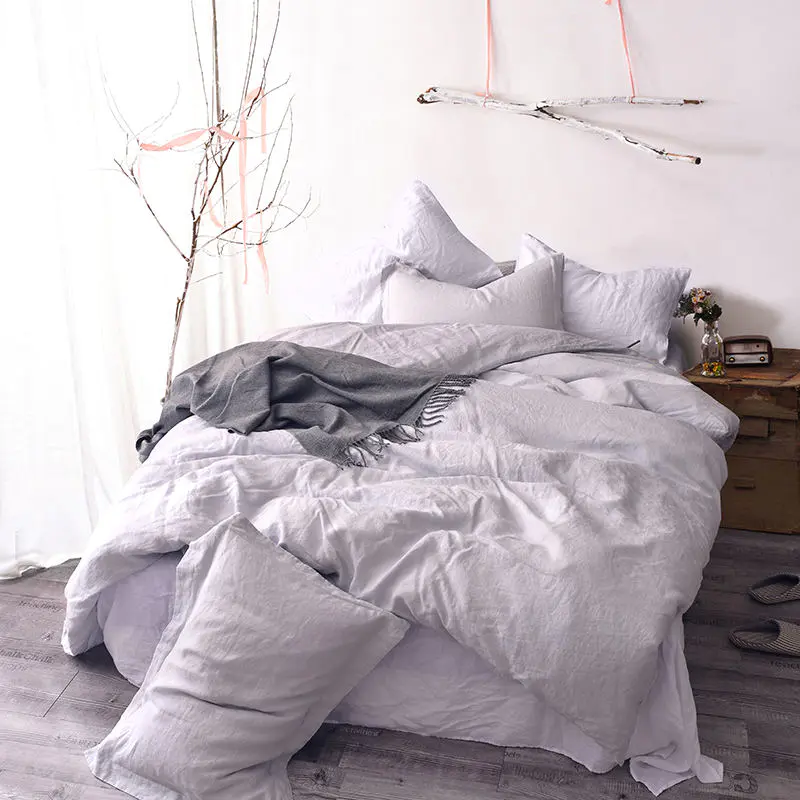
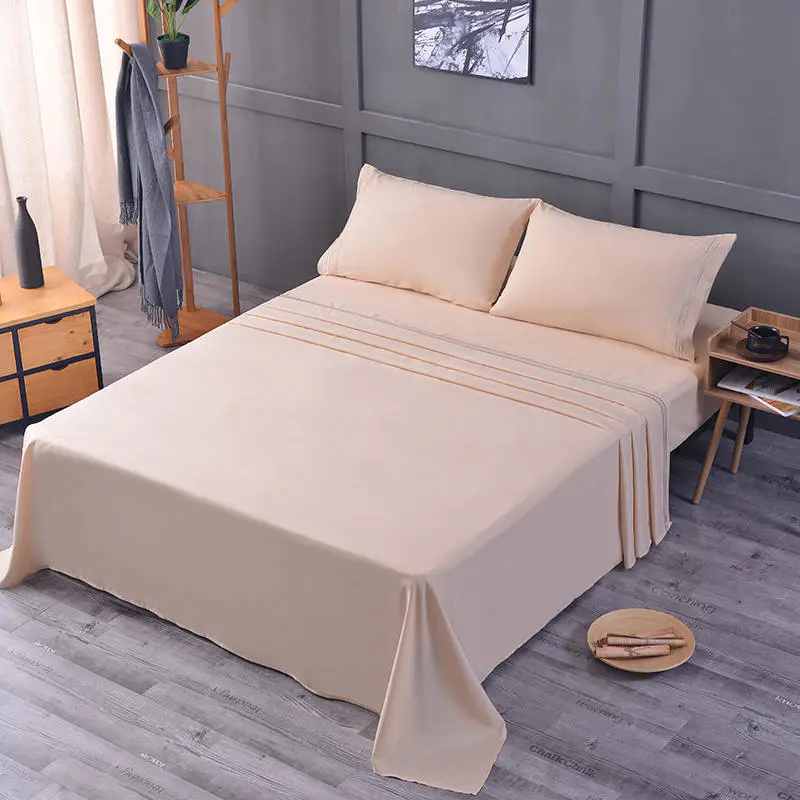
EN
 English
 русский
 Español
 عربى
You receive three quotations for 5,000 bed sheet sets. All three suppliers claim good quality, yet the prices differ by nearly 30 percent. One factory sends a one-page PDF; another invites you to a video call and walks you through its weaving, cutting, and sewing lines; the third cannot name the fabric weight it plans to use. Price alone tells only part of the story. This guide explains what separates a reliable bed sheet factory from a trading company with a website, and how to structure your evaluation before you commit to a bulk order.
What a Real Bed Sheet Factory Does Behind the Scenes
In the home textile industry, the term "factory" is used loosely. A genuine bed sheet factory controls the physical production steps that determine how a finished set looks, feels, and survives repeated washing:
- Weaving or knitting the base fabric on looms, which sets thread density and fabric weight.
- Cutting fabric panels to the dimensions of each bed size, including allowances for hems and seams.
- Sewing panels into fitted sheets, flat sheets, and pillowcases with consistent stitch density.
- Finishing steps such as embroidery, printing, and quilting that add pattern and texture.
A factory with in-house equipment for these steps can control tolerances that matter at scale: a fitted sheet that is 2 cm short on the elastic corner, or a pillowcase hem that skips stitches after ten washes, becomes a costly complaint when multiplied by a container load. This is why buyers should look for factories that name their equipment and can describe their quality checks, not just their monthly output.
Four Checks That Separate a Dependable Factory from a Middleman
You can filter most candidates in a single round of due diligence with four direct questions.
1. How long has the company actually manufactured textiles?
Experience shows up in product consistency. A factory that started production in 1997 has navigated cotton price cycles, labor shortages, and shifting export compliance rules. Longevity does not guarantee quality, but it reduces the risk of a supplier vanishing after the first order.
2. What equipment is on the production floor?
Ask for a list of looms, cutting machines, sewing machines, and finishing equipment. A factory that weaves its own fabric controls greige goods quality from the start; a factory that buys fabric depends on its mill suppliers. Both models can work, but you need to know which one you are dealing with.
3. Which quality and environmental certifications are current?
Certifications such as ISO 9001:2015 and ISO 14001 are audited, documented systems rather than marketing claims. Ask for the certificate numbers and check them with the issuing body. Confirm that the certifications cover the factory site, not just the parent company's head office.
4. Where does the factory ship today?
Export history correlates with documentation experience. A factory that already ships bed sheets to the United States, Canada, the United Kingdom, Western Europe, or Australia understands the packing lists, labeling rules, and inspection routines those buyers expect.
Fabric Choice Is the Biggest Cost and Quality Driver
Once you confirm that a factory has real production capability, the next decision is the material. Fabric typically accounts for 50 to 70 percent of the finished cost of a bed sheet set, so the material choice drives both your selling price and your return rate.
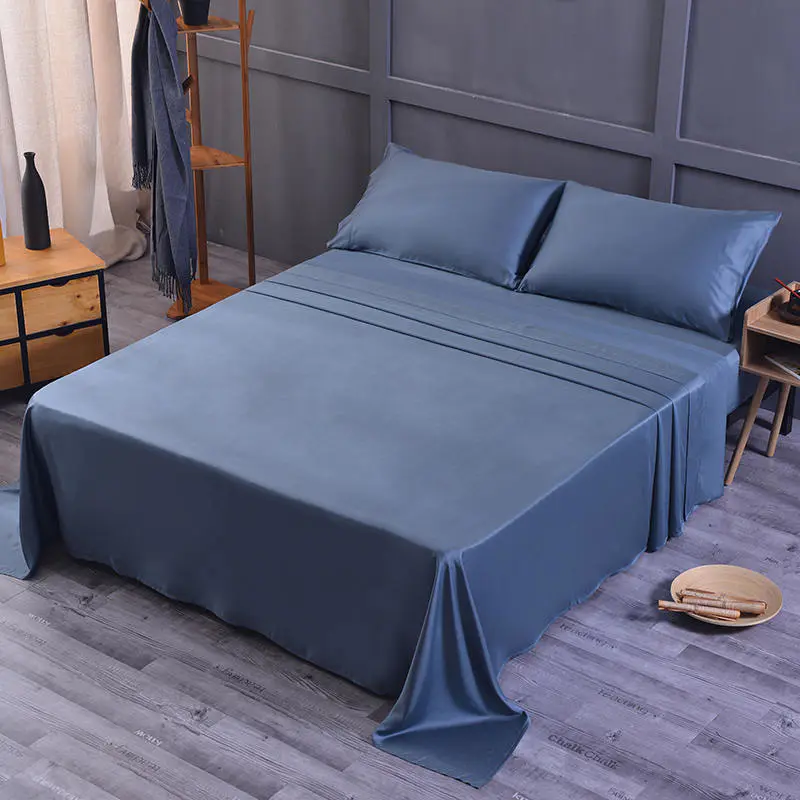
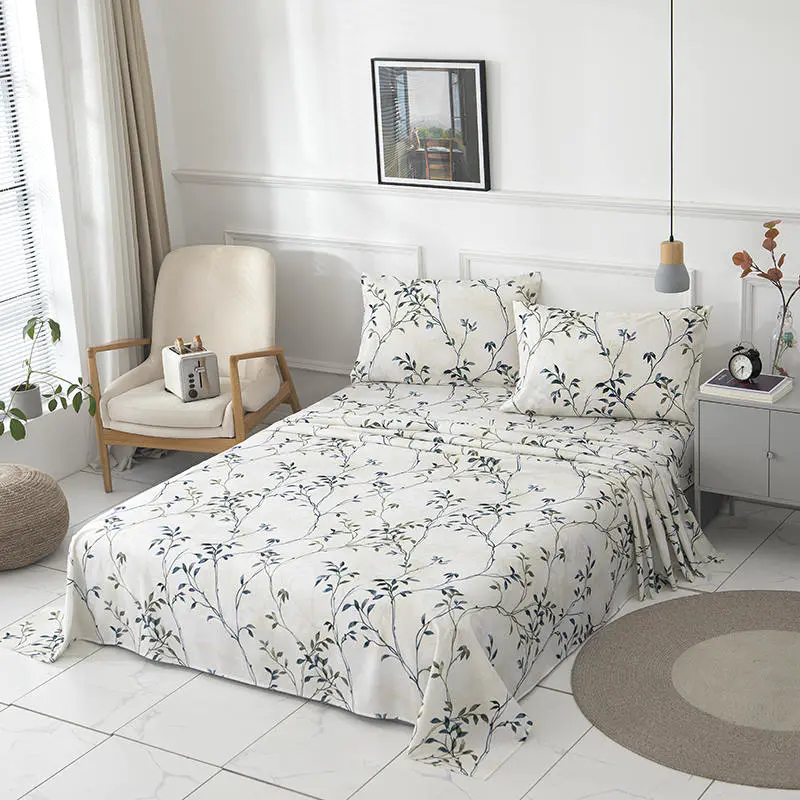
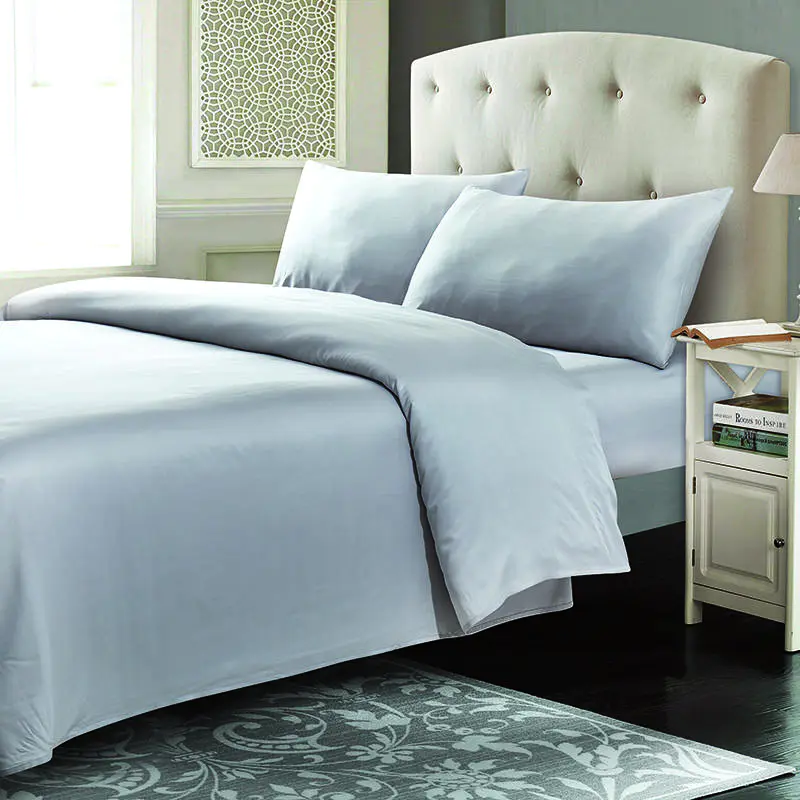 Pure Cotton Bed Sheet Set Suppliers with OEM OptionsThis supplier offers pure cotton sheet sets in various styles, including combed cotton options, suitable for hotel and retail programs that need a durable and breathable everyday product.View Product →
Pure cotton remains the most common choice for hotel and retail programs because it is breathable, durable, and easy to market. Combed cotton varieties feel softer and pill less after washing, which is why buyers specify carded versus combed yarns in purchase contracts. A cotton sheet set with a thread count of 200 to 400 balances hand feel and durability for everyday use.
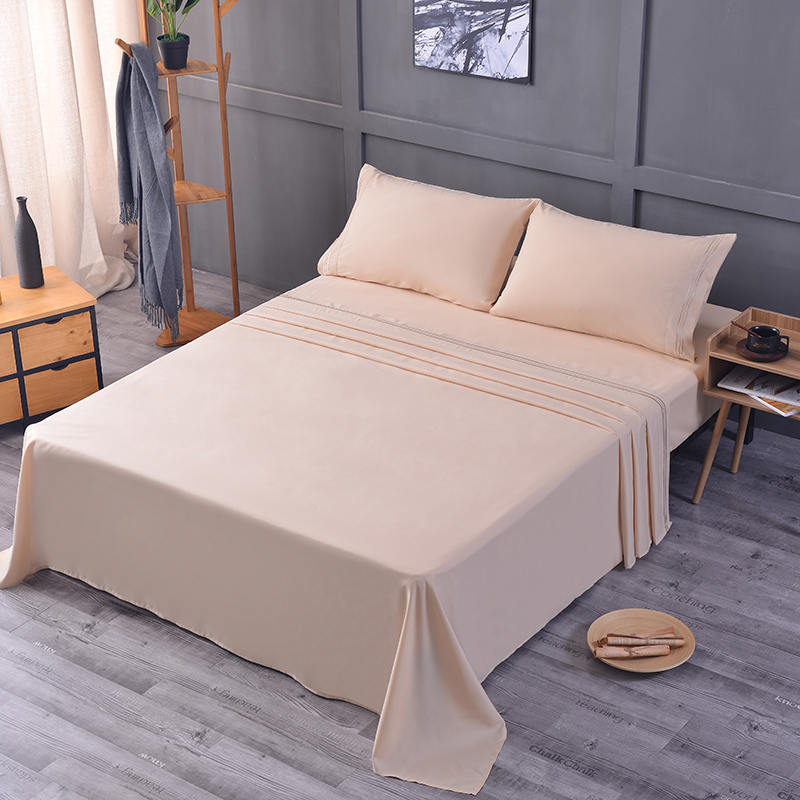
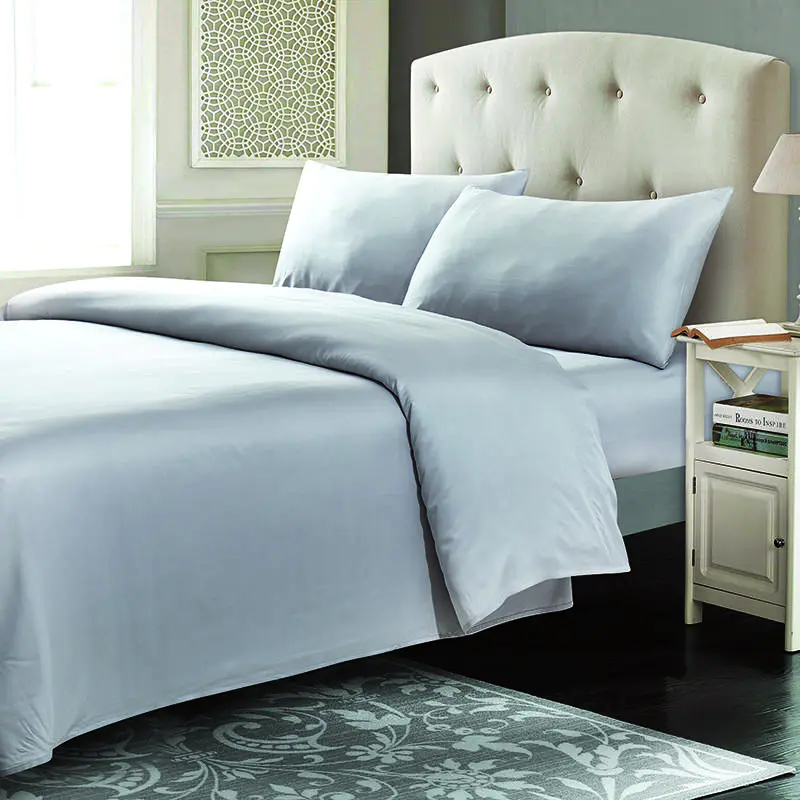
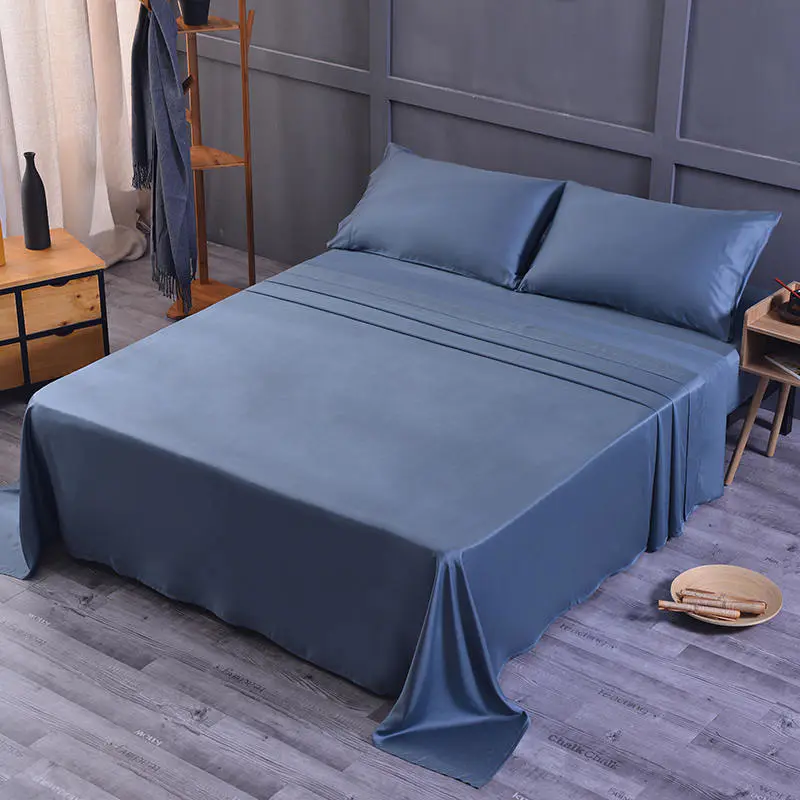 Organic Bamboo Bed Sheet Set Suppliers for Eco-Friendly ProgramsThese bamboo viscose sheet sets offer a soft, draping feel and natural moisture-wicking properties, making them a strong choice for sensitive-skin and children's bedding programs.View Product →
Organic bamboo viscose has moved from a niche option to a mainstream program for buyers who want an eco-friendly story and a soft, draping hand feel. Bamboo sheets are naturally moisture-wicking and hypoallergenic, making them popular for children's bedding and sensitive-skin programs. Confirm the fiber source and certification documents before ordering; "bamboo" in the industry usually means bamboo viscose produced through a closed-loop solvent process, not crushed bamboo fiber.
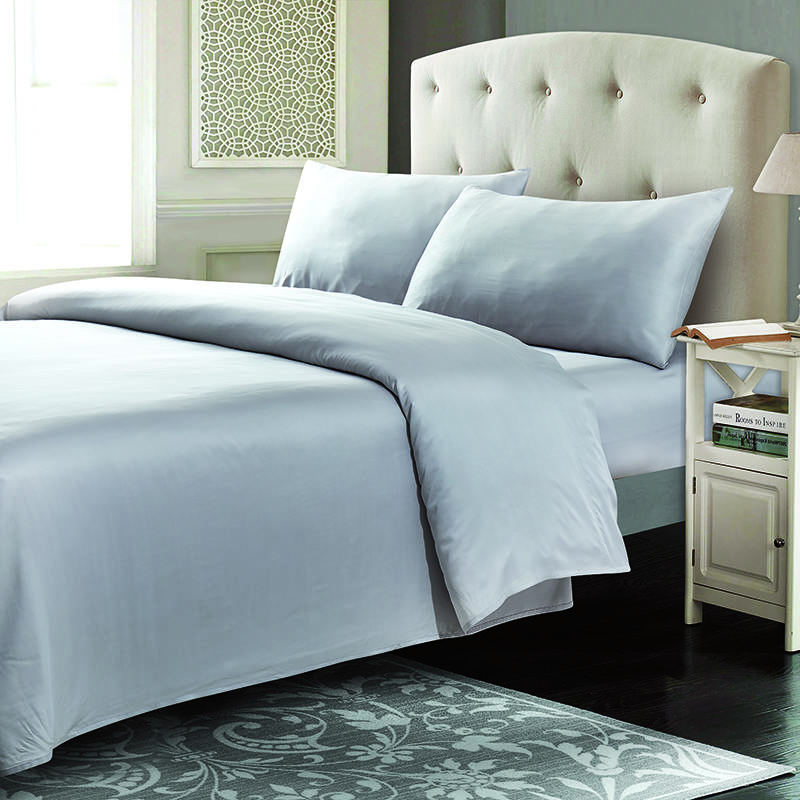
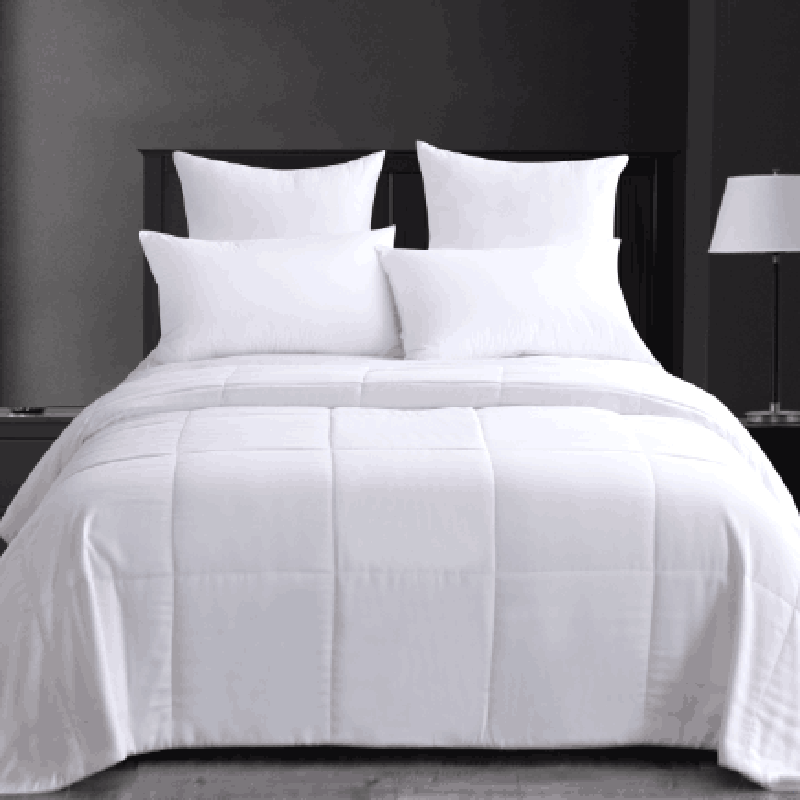 Mulberry Silk Bed Sheet Set Suppliers for Premium BeddingThis premium mulberry silk sheet set, available with a satin edge, serves as a differentiator for luxury bedding lines, though it requires careful handling and clear care instructions.View Product →
Mulberry silk sits at the premium end of the range. A 100 percent mulberry silk sheet set with a satin edge commands a high retail price, but margins depend on protecting the product through the supply chain. Silk requires careful packing, clear care labels, and buyers who understand gentle washing. If your target customers expect luxury bedding, silk is a differentiator; for a volume-driven program, it may not be the right first line.
The table below summarizes the materials most frequently requested from a bed sheet factory, with the properties that affect consumer satisfaction.
| Material | Key Properties | Typical Concerns | Best Fit |
|---|---|---|---|
| Pure cotton (combed or carded) | Breathable, durable, easy care | Can shrink if not pre-shrunk; wrinkles in lower thread counts | Everyday retail and hotels |
| Organic bamboo viscose | Soft, moisture-wicking, hypoallergenic | Weaker wet strength; requires gentle washing | Sensitive skin, kids, summer |
| Microfiber polyester | Low cost, wrinkle-resistant, quick drying | Less breathable; can pill at low fiber quality | Budget hotels, promotions, rentals |
| Mulberry silk | Smooth, temperature-regulating, premium appeal | Expensive, delicate care, lighter colors show wear | Luxury retail and gifting |
| Tencel lyocell | Smooth, moisture-wicking, sustainable sourcing | Mid-to-high price; controlled wash temperature | Mid-premium eco programs |
| Stonewashed linen | Textured, absorbent, lightly wrinkled by design | Casual look; flax price fluctuates | Lifestyle and warm-weather brands |
If you are still deciding between materials, this overview of popular fabric options for bed sheet sets discusses how each one feels and performs in real use.
OEM, ODM, and the Customization Questions That Affect Your Margin
Most bed sheet factories in China accept both OEM and ODM orders. OEM means you provide the specifications or samples and the factory manufactures to your drawing. ODM means the factory uses its existing product line or design library and you customize colors, packaging, or labels. Both models are valid, but the cost structures differ.
- OEM orders require you to control the specification sheet: fabric weight, thread count, stitch density, hem width, elastic spec, and packaging materials. Every undefined detail becomes a potential dispute.
- ODM orders move faster because the factory has already refined the production process. You trade some design control for shorter development time and a lower unit price.
- Minimum order quantities vary widely. Some factories accept orders of a few hundred sets; others require a full production lot per colorway. Confirm the MOQ before asking for a sample.
Ask each factory to send a pre-production sample against your written specification rather than a catalog sample. Measure the sample yourself: fabric weight, finished dimensions after one wash, and seam strength. A factory that follows instructions on a small sample will likely follow them on a container order. You can review the typical service workflow most factories follow on the factory's service page, which outlines the steps from inquiry to shipment.
Location, Logistics, and Delivery Timelines
Geographic location matters less in the age of digital communication, but it still affects freight cost and lead time. A factory in Nantong, for instance, sits about two hours from the Port of Shanghai, one of the busiest container ports in the world. That proximity shortens inland trucking time and gives buyers more flexibility when booking vessel space.
Ask for a realistic production lead time in writing. A typical timeline for a standard bed sheet set order is 30 to 45 days from sample approval to completion, before ocean transit. Rush orders compress that window but raise the unit price, so plan seasonal buys around the factory's production calendar. Confirm packaging standards: polybag and export carton quality, carton weight limits, and whether the factory can arrange third-party inspection before loading.
A Practical Checklist Before You Sign a Purchase Contract
When you have narrowed candidates down to two or three, run the same checklist against each one. The answers will make the difference between a smooth program and a season of complaint emails.
- Confirm the legal entity is a manufacturer, not a trading company, by checking business registration and requesting a factory tour by video.
- Verify certifications against issuing bodies and confirm the site address on the certificate matches the production location.
- Define every specification in writing: material composition, thread count, fabric weight, finishes, sizes, packaging, and labeling.
- Request pre-production samples and measure them independently.
- Agree on quality acceptance criteria: which defects are rejectable, what defect rate is tolerated, and who pays for third-party inspection.
- Clarify incoterms, port of loading, delivery window, and the process for resolving discrepancies in the packing list.
A bed sheet factory is only as reliable as the controls around it. The right one will answer technical questions with numbers, show you its production floor, and put its commitments in writing. When you find a factory that clears these checks, you can stop worrying about the source and focus on selling the product.