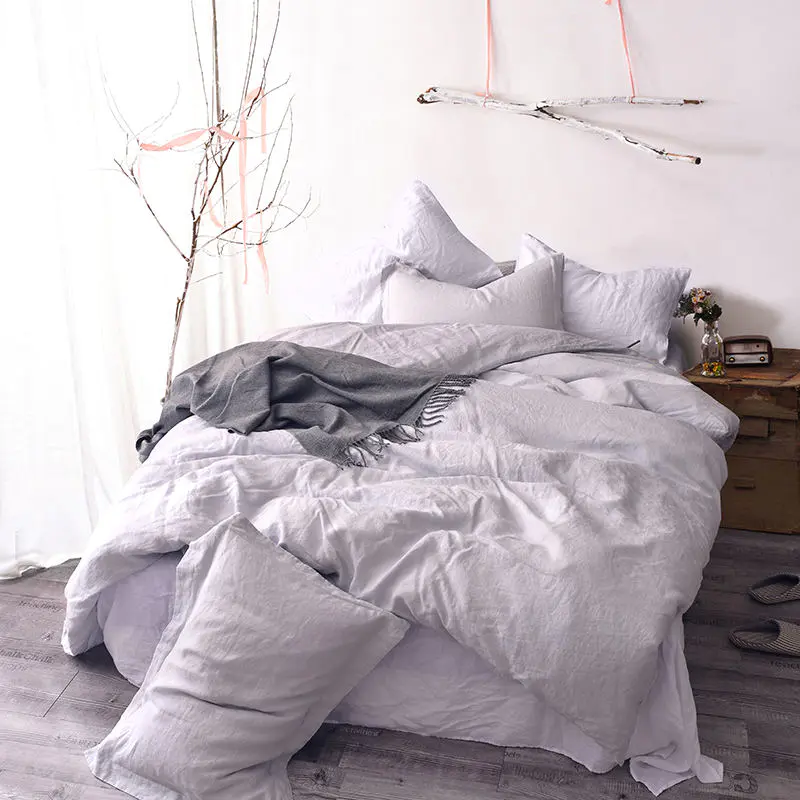
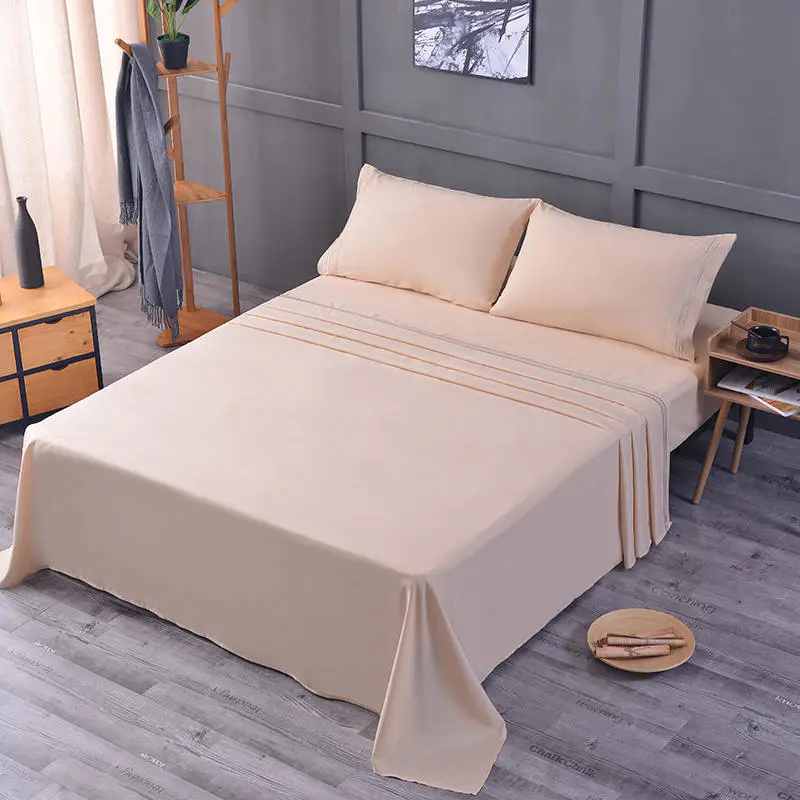
EN
 English
 русский
 Español
 عربى
Most quilt bedding set problems do not show up on the first night. They show up on the third month, when stitches begin to pucker, or on the first wash day, when fill bunches and fabric comes out looking tired. Buyers who focus only on color and price tend to be disappointed, while buyers who start with construction, fabric, and weight end up satisfied. This guide explains what separates a good quilt bedding set from a mediocre one, and how to match the decision to your climate, sleep habits, and budget.
What Is a Quilt Bedding Set and How Does It Differ from Other Bedding?
A quilt bedding set usually includes a quilt and a matching pair of pillow shams, sometimes with a bed skirt or decorative pillows depending on the collection. The quilt itself is made of three functional layers: a face fabric, a thin layer of batting or fill, and a backing fabric, all held together by stitching that runs through all three layers. That stitching is what gives a quilt its texture and prevents the fill from shifting during sleep and washing.
The biggest mistake shoppers make is treating a quilt set like a duvet or comforter set. They are related, but they behave differently in daily use. A duvet keeps an insert inside a removable cover, so the cover is the part you wash. A comforter is a single, thicker piece that sits directly on the bed. A quilt sits directly on the bed too, but its thin, stitched construction makes it lighter and easier to layer.
| Feature | Quilt Set | Duvet Cover Set | Comforter Set |
|---|---|---|---|
| Construction | Layers stitched as one piece | Washable cover plus separate insert | Stitched shell with thicker fill |
| Warmth | Light to medium | Adjustable by insert weight | Medium to high |
| Care | Whole piece, easy to wash | Cover removed for washing | Bulky piece, more storage space |
| Best for | Layering, warmer weather, decorative rooms | Year-round flexibility | Cold weather and simple styling |
Fabric First: Matching the Quilt Face to the User
Fabric is the first and most important decision, because the face fabric controls how the quilt feels against the skin, how much moisture it absorbs, and how the set ages after repeated washing. Three materials cover most situations buyers run into.
Organic Cotton for Year-Round Comfort
Organic cotton is the most common face fabric for quilt bedding sets because it is breathable, stable, and gentle on sensitive skin. Cotton fibers move moisture away from the body, which keeps the quilt comfortable even for sleepers who run warm. A double-sided organic cotton quilt uses the same natural fabric on both faces, so the set reverses cleanly and wears evenly on either side.
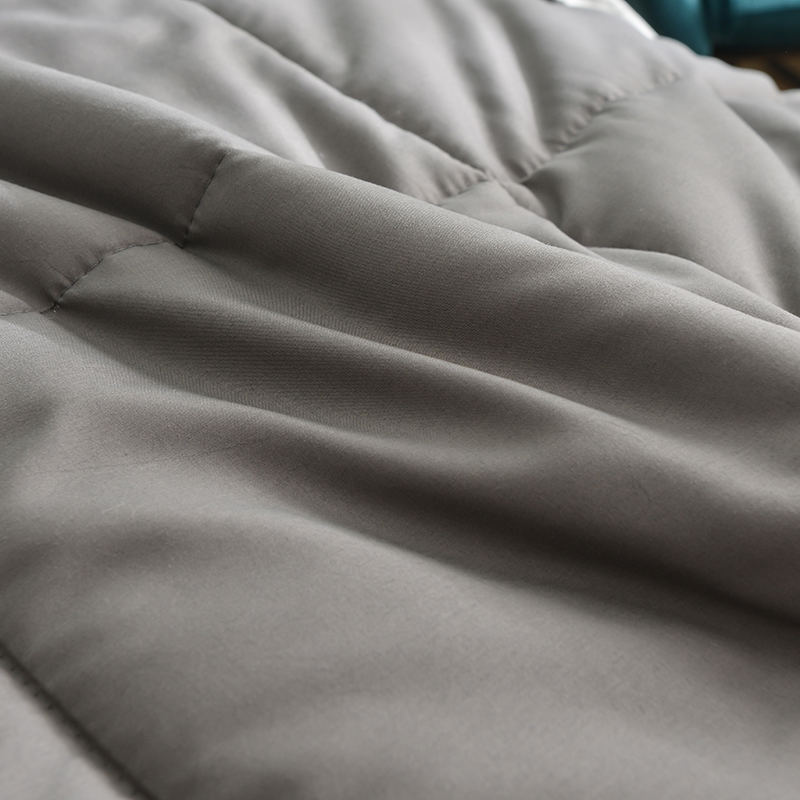 Wholesale Double Sided Organic Cotton Quilt Suppliers, Factory - Nantong XinshenNantong Xinsheng Textile Garment Co.,Ltd is China wholesale Double Sided Organic Cotton Quilt suppliers and factory,Double-sided organic ...View Product →
Velvet for Cooler Rooms and Decorative Styling
Velvet gives a quilt a heavier drape and a soft hand feel that suits cooler evenings and styled bedrooms. A floral vintage velvet lightweight quilt is a practical pick for a guest room or a bed used mainly in autumn and winter, because the textured face adds warmth without the bulk of a thick stuffed duvet.
 Wholesale Floral Vintage Velvet Lightweight Quilt Suppliers, Factory - Nantong XNantong Xinsheng Textile Garment Co.,Ltd is China wholesale Floral Vintage Velvet Lightweight Quilt suppliers and factory,The floral vint...View Product →
Down Fill for Warmth without Weight
Down fill provides the best warmth-to-weight ratio you can get in bedding. A four-seasons white duck down feather quilt traps air in small pockets to keep the surface comfortable in mild weather, and in colder months you simply layer it under a blanket or use it with a higher-weight duvet cover.
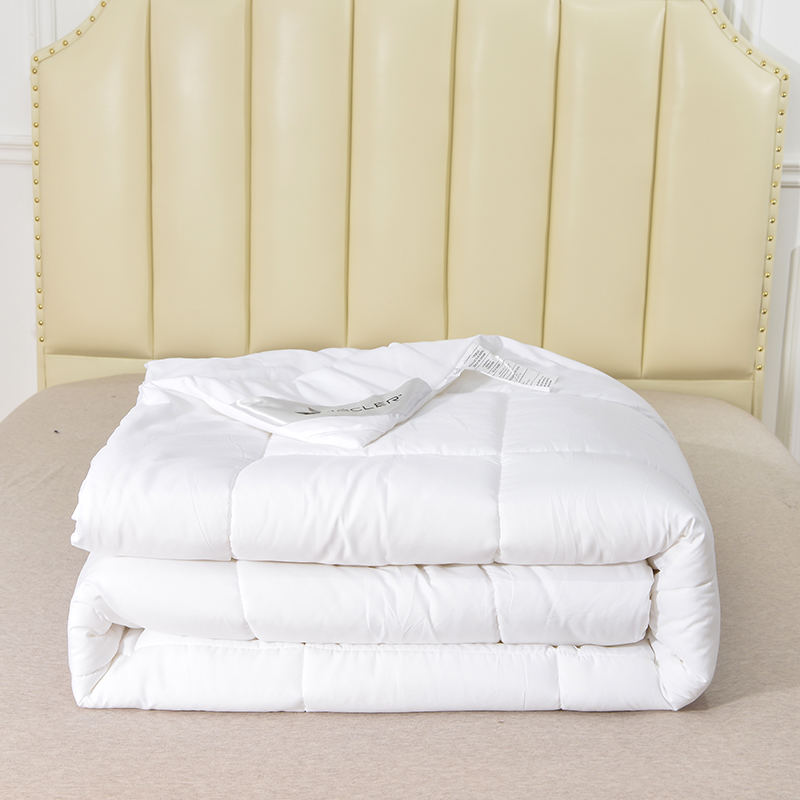 Wholesale Four Seasons White Duck Down Feather Quilt Suppliers, Factory - NantonNantong Xinsheng Textile Garment Co.,Ltd is China wholesale Four Seasons White Duck Down Feather Quilt suppliers and factory,The white du...View Product →
Weight, Climate, and Layering
Weight is not a quality metric; it is a climate match. A heavier quilt is not automatically better. The right weight depends on room temperature, season, and how many other layers sit on the bed.
- Warm and humid climates: choose a cotton or bamboo face with light batting, roughly 100 to 150 grams per square meter.
- Temperate climates: a medium-weight all-season fill works for most of the year if you add a blanket in winter.
- Cold bedrooms: down fill or a velvet face will feel noticeably warmer; keep a throw at the foot of the bed for extra latitude.
Stitching density matters as much as fill weight. A tighter quilting pattern holds the fill in smaller pockets, so it resists shifting and stays smooth after machine washing. Looser patterns look relaxed but are more likely to develop empty areas over time.
Seasonal rotation is also a reason many buyers prefer quilt bedding sets over heavier comforters. A quilt stores flat, takes up less closet space, and can be brought back into service quickly when the weather turns. Households in temperate regions often keep two sets: a lighter one for summer and a warmer one for winter.
What to Check in the Details Before You Order
Once the fabric and weight are settled, buyers should check three details that determine how long the set lasts.
- Edge finishing: a bound or piped edge with reinforced corners survives laundering better than a simple folded hem.
- Thread count: a fabric with a count of 200 to 400 is comfortable and durable; a number much higher often says more about marketing than performance.
- Sham closure: envelope-style closures keep pillows secure and avoid broken zippers, which matter in hospitality washing cycles.
| Material | Washing Recommendation | Drying Note |
|---|---|---|
| Organic cotton | Machine wash cold with mild detergent | Low tumble dry, pull flat to finish |
| Velvet face | Spot clean or professional dry clean | Do not wring or tumble dry |
| Down fill | Gentle cycle with no bleach | Low heat with dryer balls to restore loft |
Buying for a Home versus Buying for a Hotel or Rental Business
When you buy a quilt bedding set for a household, comfort and looks come first. When you buy for a hotel, a property management company, or a short-term rental business, the priorities change. You need consistent color from batch to batch, stitching that survives industrial washing, and fabric that resists fading under commercial laundering. That is why many hospitality buyers work directly with a textile manufacturer rather than retail channels. Our factory in Nantong, China, has produced quilt sets and related bedding for export since 1997, and we offer custom OEM and ODM programs that let you specify fabric weight, quilting pattern, edge finishing, packaging, and labeling. ISO 9001:2015 and ISO 14001 certifications cover the production process, which matters when you order in volume and need reliable consistency.
Retail buyers who sell under their own brand use the same route: the factory that makes an existing quilt design can produce a private-label version with different colors, labels, and packaging. Buyers who want to plan seasonal rotation can also follow our industry news section, where we publish practical notes on fabric behavior, storage, and bedding care.
The best quilt bedding set is the one that matches the room's climate, the sleeper's temperature preference, and the maintenance routine you can realistically keep. Start with fabric, then fill, then stitching, and every other part of the buying decision becomes simpler. Whether you need a single set for a personal bedroom or a container order for a hospitality project, those fundamentals apply in exactly the same way.