EN
 English
 русский
 Español
 عربى
Your supplier calls themselves a sofa cover factory, but the first production run arrives with thin elastic that stretches out of shape, seams that open after the third wash, and a non-slip backing that peels away. The price was low, but the returns and complaints are not.
A reliable sofa cover factory earns the name by controlling the full sequence: fabric selection, cutting, sewing, elastic application, anti-slip finishing, and final inspection. This is why the factory behind the product matters more than the quote. In this guide, I will walk through what to verify in materials, construction, sampling, and order planning so you don't discover the difference between a genuine manufacturer and a middleman after the deal is signed.
What a Sofa Cover Factory Should Control First: Fabric and Fit
A sofa cover, often called a slipcover, is a piece of fabric draped over or tucked into a sofa for protection or decoration. The definition is simple, but the product range is not. Some covers are thin knits that slide at every angle; others are structured protectors with anti-slip backing, reinforced seams, and tailored corners.
The first thing a factory must control is the relationship between fabric and fit. Fabric determines whether the cover will survive sitting, washing, and even pet claws. Fit determines whether it stays in place or bunches up in the middle of the sofa. A factory that produces sofa covers from standard rectangular fabric and a single line of elastic is not the same as one that builds patterns for specific sofa shapes.
| Material | What it does well | What to watch for |
|---|---|---|
| Velvet | Soft hand feel, rich color, good for living rooms. | Needs tight weave and backing; low quality velvet crushes quickly. |
| Chenille | Durable, warm texture, resists flattening. | Yarn density determines quality; uneven pile looks worn after washing. |
| Polyester microfiber | Affordable, easy to clean, easy to print. | Some fabrics are slippery; add silicone or non-slip backing. |
| Waterproof coated | Blocks spills and pet accidents. | Coating must stay flexible; brittle lamination cracks and flakes. |
The table above is not an exhaustive list, but it shows why material choice is a factory responsibility, not a decorative afterthought. If a supplier cannot explain the coating on a waterproof cover or the weave of a chenille cover, move to the next candidate.
Four Sofa Cover Styles That Test a Factory's Skill
When you read "sofa cover factory" on a list, look at the specific styles the factory makes. Construction differences matter more than the shared name.
Double-sided non-slip covers are designed to stay in position even after repeated sitting. The factory needs to apply an anti-slip treatment to both faces, cut panels accurately, and reinforce the areas that wrap over armrests.
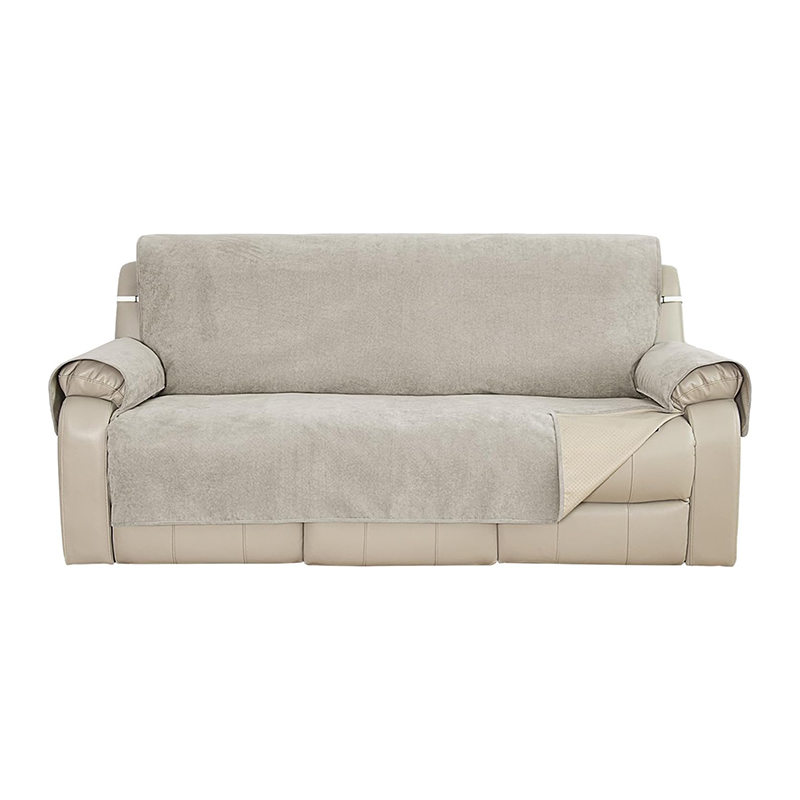 Double-Sided Anti-Slip Sofa Cover with Reinforced Armrest WrapThis cover features anti-slip treatment on both faces and reinforced sections over armrests, making it a practical choice when you need a sofa protector that stays put after repeated use.View Product →
Waterproof leather-style covers present a separate challenge. The material must look like leather, block liquid, and remain flexible enough to fold and machine-wash. That means the coating must be tested for flexing and peeling, not just for water repellency.
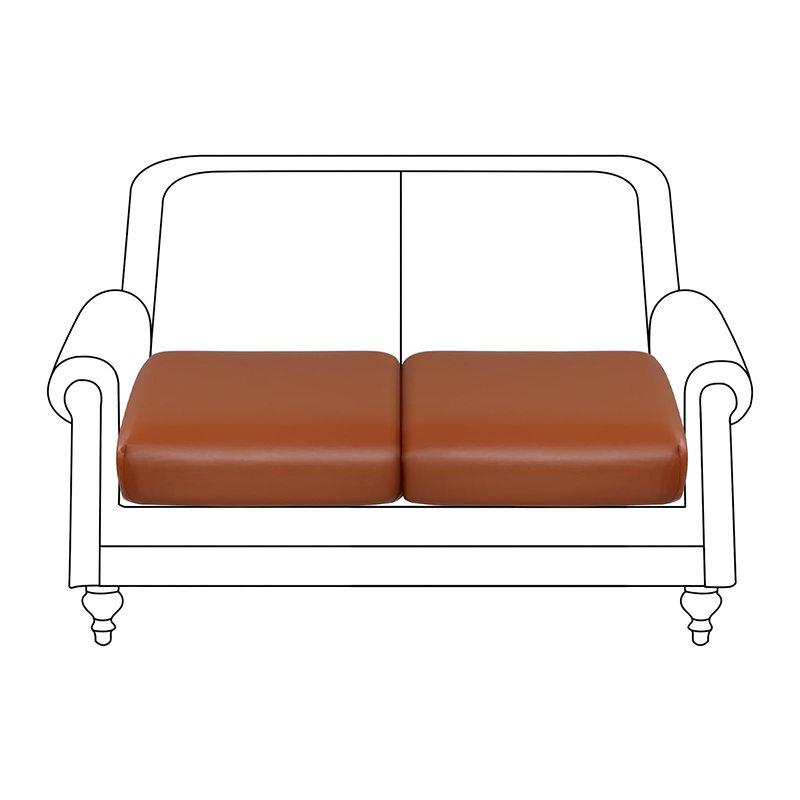 Waterproof Leather-Style Single Sofa Cover with Flexible CoatingDesigned to mimic leather while blocking liquid, this cover's coating must handle flexing and peeling during folding and machine washing, so it suits buyers who want both style and durability.View Product →
Pet-friendly oversized covers require the toughest weave and the largest cutting dimensions. Pet claws and daily wear expose weak yarn and open seams faster than any other use case.
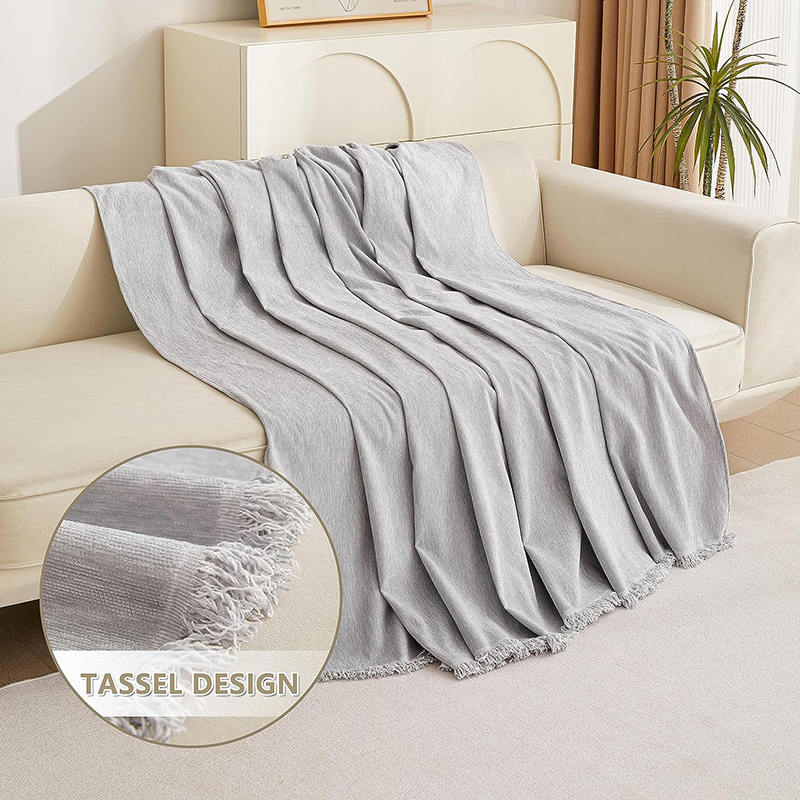 Oversized Pet-Friendly Patterned Sofa Slipcover with Tough WeaveBuilt with a durable weave and large cutting dimensions to resist pet claws and daily wear, this slipcover offers a relaxed fit that protects your sofa while accommodating pets comfortably.View Product →
Each style also needs different trims: elastic bands, anti-slip backing, corner straps, or extra-wide skirts. Ask the factory which of these steps happen in-house and which are outsourced. Outsourcing is not automatically a problem, but it adds coordination time and quality risk.
Manufacturing Details That Separate a Factory from a Reseller
Many trading companies call themselves a sofa cover factory because they buy from several suppliers and resell under one brand. A real factory will show you the production floor and the machines that turn fabric into finished covers.
- Cutting: Covers for sofas are large and need accurate cutting to keep corners aligned. Computer-guided cutting reduces variation when you reorder.
- Sewing: Ask about stitch density and how the factory prevents popped seams. A seam that pulls apart after washing is the most common quality complaint we see.
- Anti-slip finishing: A non-slip backing must be applied evenly. Uneven application means the cover will slide on one side and stay fixed on the other.
- Pressing and final inspection: Creasing, loose threads, and misaligned patterns should be caught before packing, not by your customer.
At our own facility, we have invested in weaving looms, cutting tables, sewing machines, embroidery machines, and embossing equipment. We have held ISO 9001:2015 quality management certification and ISO 14001 environmental management certification, and we have exported to the United States, South America, the United Kingdom, Canada, Western and Eastern Europe, and Australia. This background matters because a sofa cover factory that already controls weaving and finishing can react faster to your fabric requests than a company that buys finished fabric and only performs sewing.
A useful step is to ask the factory directly about their testing and sampling process. Do they send pre-production samples, and how do they handle adjustments before batch production starts?
Samples, Pricing, and Order Planning
You cannot judge a sofa cover factory from a price list. You need samples, clear specifications, and a factory that will correct issues before production. Here is what to compare when you receive quotes:
| Quote item | Why it matters | What to request |
|---|---|---|
| Fabric specification | Fabric weight, fiber content, and weave determine durability and feel. | A physical swatch with weight and fiber percentage in writing. |
| Construction details | Seam type, elastic width, and anti-slip backing affect how long the cover will stay useful. | Drawings or samples showing the seam finish and backing application. |
| MOQ and lead time | Lower MOQs usually mean higher unit cost; longer lead times affect your season timing. | Clear MOQ per color, sample lead time, and production lead time. |
| Packaging and inspection | Folded polyester microfiber can arrive heavily creased if packed poorly. | Describe packaging, carton size, and whether final inspection is done in-house. |
Fabric choice is easier when you understand how the material behaves in different conditions. For example, our guide to chenille fabric for sofa upholstery explains how yarn density influences wear and comfort, which is exactly the kind of information to bring into a factory conversation.
We accept OEM and ODM orders and do not force you into a minimum order size that is unrealistic for a first test. Still, the ordering principle is the same everywhere: ask for the spec in writing, test the sample, and give the factory a chance to improve before you scale up.
How to Start Sourcing with Confidence
Before you place a bulk order, take these steps:
- Request a physical sample. Digital photos do not show hand feel, weight, or stitching tightness.
- Put the sample on a sofa you intend to cover. Try a 90-degree seating position and press down on the armrests to see whether the cover stays.
- Wash the sample once or twice. Look for color change, shrinkage, and whether the anti-slip backing survives.
- Check the fit on the corners. Extra fabric should tuck in cleanly, not hang like a loose envelope.
- Ask what changes are possible in production. A good factory will tell you what is standard and what is custom, rather than promising everything.
The right sofa cover factory does not have to be the cheapest. It has to control the processes that keep your product durable, consistent, and safe to sell. Since 1997, our factory has used the same discipline for bedding and home textiles that we bring to sofa covers: understand the fabric, check every seam, and ship only what passes inspection. That is the standard to look for in any factory partner.