EN
 English
 русский
 Español
 عربى
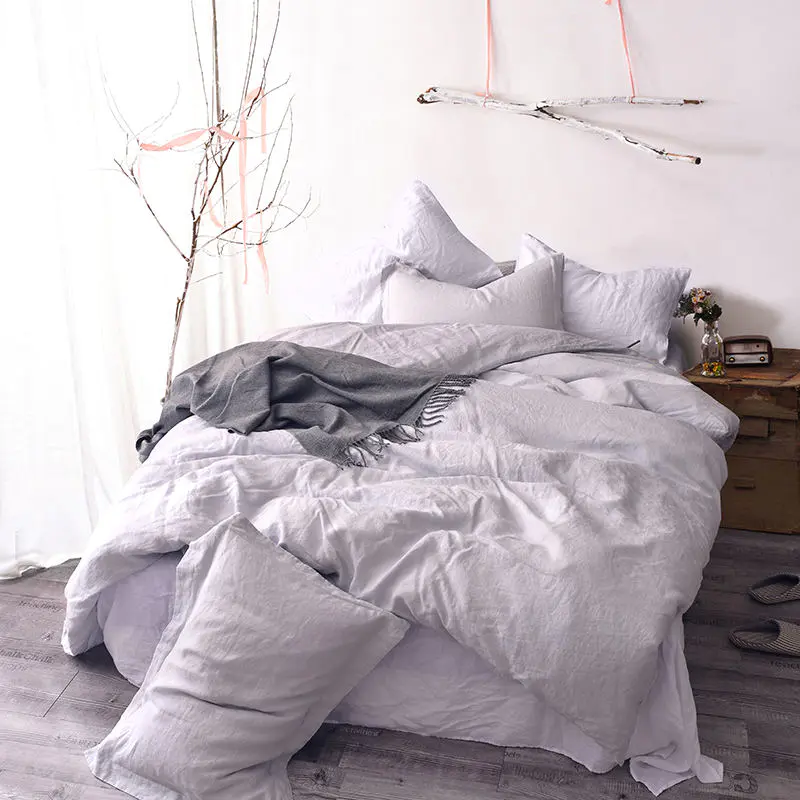
Imagine comparing two duvet covers from different suppliers. Both look white and smooth out of the bag, but after five washing cycles one shrinks slightly, the seam underneath the button leaks fibers, and the fabric loses its hand feel. The other still looks close to the first wash. The difference is not in the picture on a spec sheet; it is in the grade of the home textile products and the discipline behind their production.
Start your sourcing evaluation with three things: the right product category, the right material, and a supplier whose manufacturing process supports the quality you sell. This guide explains those steps in the order that matters.
What Are Home Textile Products?
The category of home textile products covers fabric-based goods used in residential and hospitality interiors. In a broader market, this category also includes towels, rugs, and bath mats. For a bedding and soft-home manufacturer, the core range is closer to sleep and living spaces.
| Category | Typical items | Buying priorities |
|---|---|---|
| Bedding | Sheet sets, duvet covers, quilts, pillows, blankets | Durability after repeated washing, size accuracy, fiber breathability |
| Window textiles | Curtains and patterned panels | Light control, drape, colorfastness |
| Table linen | Tablecloths and coordinated runners | Stain resistance, laundering ease, shape retention |
| Coverlets and sofa covers | Coverlets, fitted sofa protectors | Fit, slip resistance, ease of removal |
| Hospitality | Hotel-grade duvet covers, pillows, sheet sets | Linen life, uniform quality across batches |
When you build a product range, decide which categories to carry before comparing prices. Each category is made with different quality priorities: a sofa cover that is perfect for a living room will not satisfy a hotel linen buyer.
Choosing the Right Material
Fiber choice defines how the product feels, how much it costs, and how it behaves in the laundry. There is no single best material; there is only the material that matches your market.
| Material | Strong points | Watch-outs |
|---|---|---|
| Organic bamboo | Soft, breathable, naturally moisture-wicking; good for sheets and lightweight blankets | Verified fiber content and eco-processing claims matter |
| Microfiber | Wrinkle- and shrink-resistant, low cost, easy care | Can trap heat if weave and finishing are poor |
| Pure cotton | Comfortable, widely understood, good for year-round use | Shrinkage depends on pre-washing and yarn quality |
| Tencel | Smooth surface, moisture absorption, lower environmental impact | Low-grade versions may be prone to pilling |
| Stone-washed linen | Cool in warm weather, natural texture, becomes softer over time | Wrinkles easily; needs clear care instructions |
| Mulberry silk | Premium sheen, smooth on skin, helps regulate temperature | Higher price and gentle care requirements |
Thread count still matters, but it is not the only quality marker. A 200-thread-count sheet made with long-staple cotton can feel better and last longer than a 600-thread-count sheet spun from short fibers. Ask about yarn count, weave density, and whether the fabric has been pre-shrunk or bio-polished.
Climate also affects the right choice. A summer market benefits from breathable bamboo or Tencel, while a cold-weather market may prefer brushed microfiber or flannel. Check the expected use season rather than defaulting to one type of fiber.
For a deeper view, our analysis of why organic bamboo bedding has become a healthy-sleep choice explains seasonal performance and care expectations.
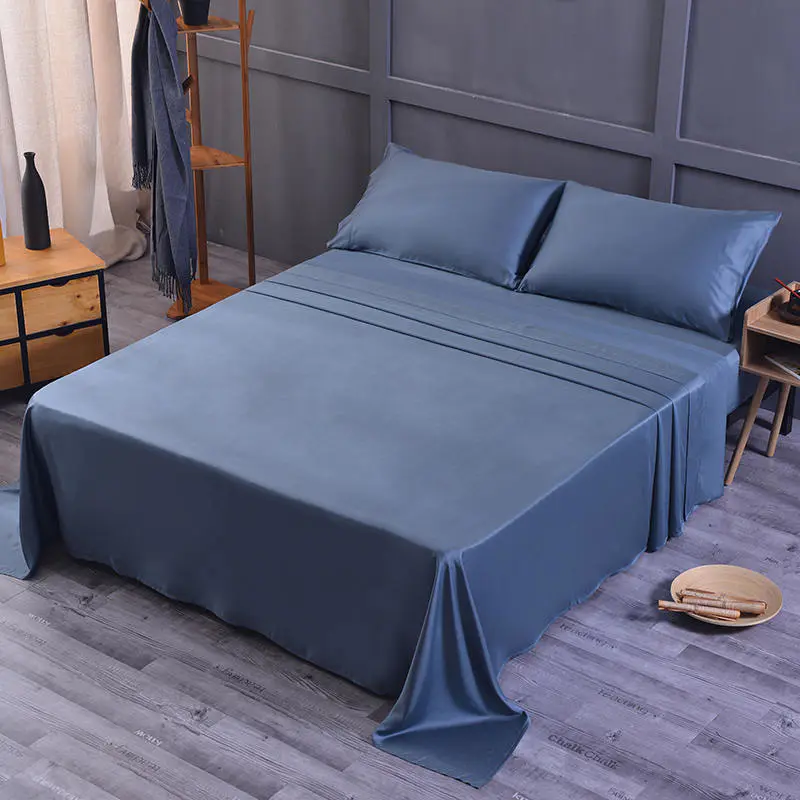
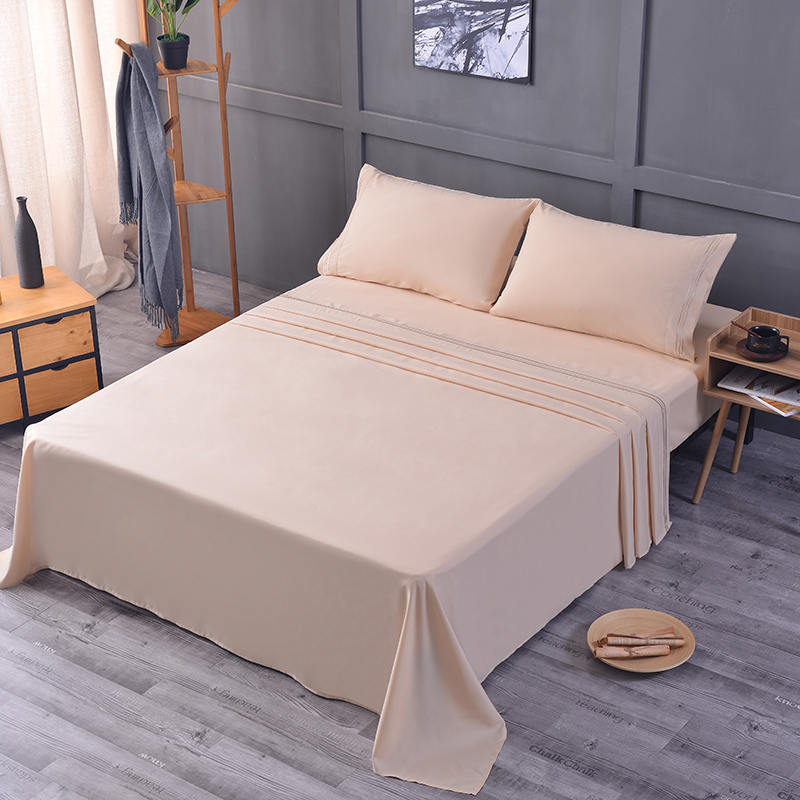
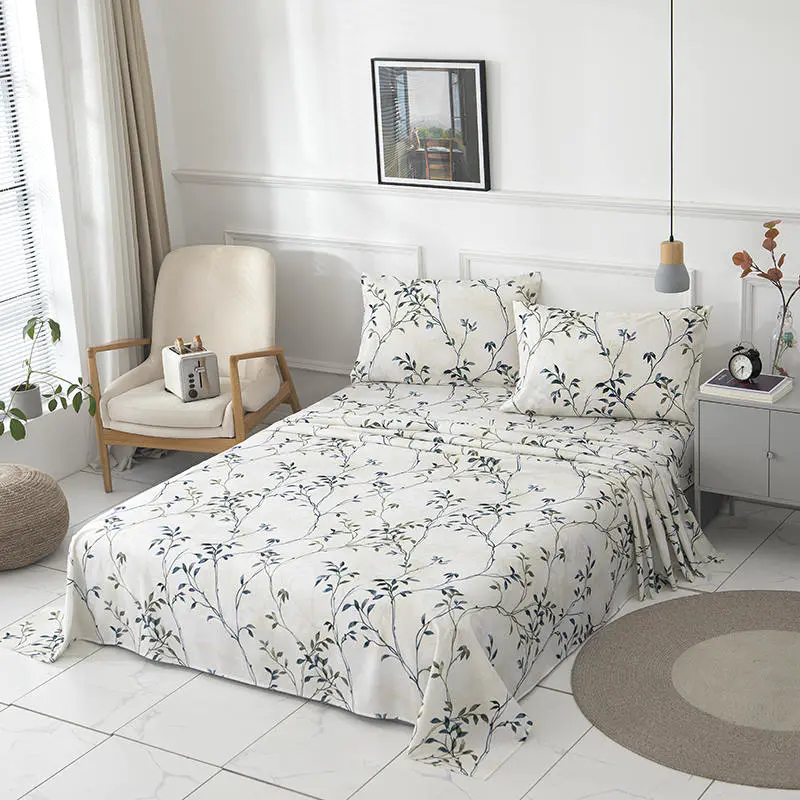
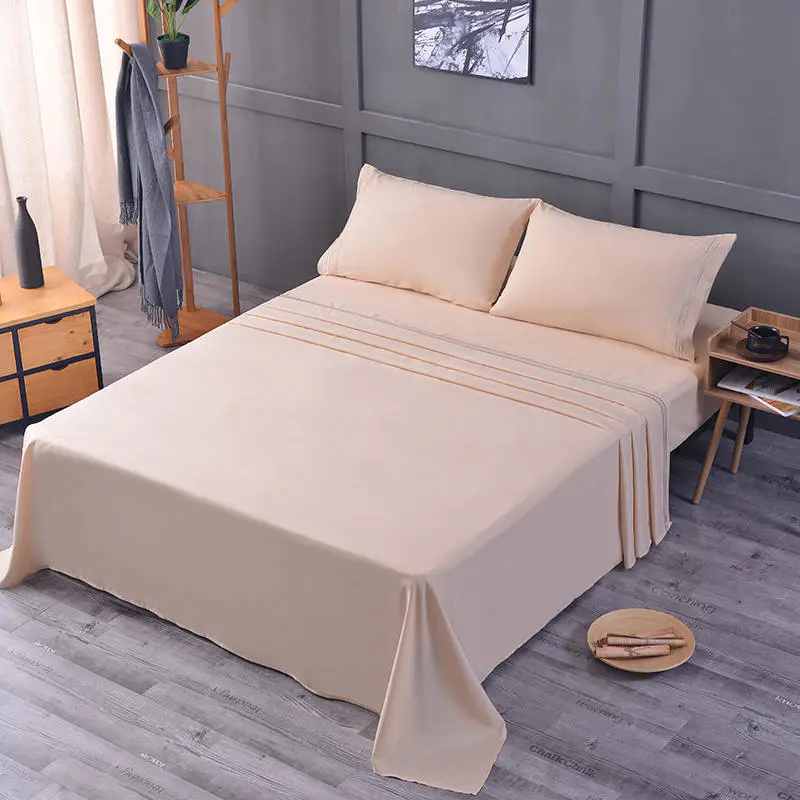
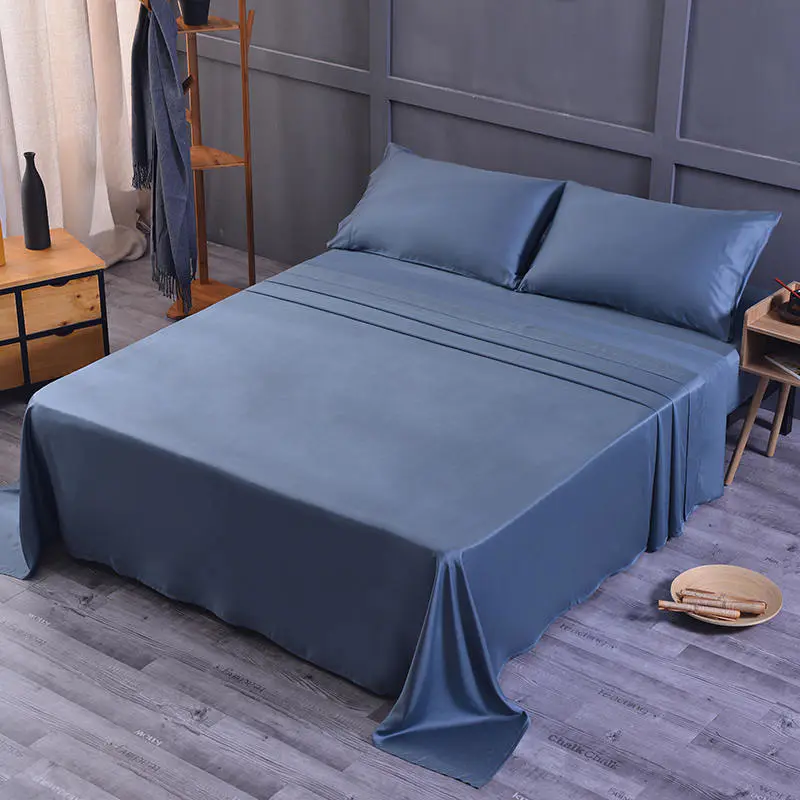 Organic Bamboo Sheet Set Manufacturer and SupplierThis supplier offers organic bamboo bed sheet sets in multiple styles and sizes, with OEM and ODM order support. It fits well if you need a reliable factory for sourcing breathable bedding with consistent quality.View Product →
How to Check Quality Before You Order
Once the material is selected, quality control shifts to construction and finishing. Use the same checklist for every home textile product before approving a production sample.
- Confirm dimensions and seam allowance against the order sheet. A queen-size sheet set should be verified in centimeters, not assumed.
- Inspect seams and hems. Double-stitched hems and fully enclosed seams resist wear better than simple folded edges.
- Check the corners of fitted sheets and duvet covers. Strong elastic and consistent stitching prevent corner pop and fiber migration.
- Wash the sample several times. Note shrinkage, color loss, pilling, and how the fabric feels after the first cycle.
- Verify labels, fiber content, and care instructions meet the rules of your destination market.
- Ask for the supplier’s process for handling defects. A clear procedure matters more than a vague promise.
A certified system adds a layer of confidence. ISO 9001 shows documented quality management, and ISO 14001 shows environmental management procedures. These certifications do not guarantee every batch, but they reduce the risk of inconsistent production.
Sourcing from a Specialist Manufacturer
The factory matters as much as the sample. A manufacturer that owns looms, cutting, sewing, embroidery, and embossing machines can control quality from fabric inward, rather than assembling parts from multiple subcontractors.
Our own production base in Nantong is about two hours from Shanghai port. It exports home textile products to the United States, South America, the United Kingdom, Canada, Western and Eastern Europe, and Australia. We accept OEM and ODM orders in any volume, so a small startup and a hotel group can run through the same quality workflow.
Many buyers want to know how a project will progress, especially when lead times are tight. The service page outlines the typical steps from enquiry to shipping and the documents you can expect. Agree on sizing, fabric construction, labeling, and packaging before production starts to avoid surprises later.
Matching Products to the Way Your Customers Live
End-use dictates the right specification. A hotel buyer needs products that survive industrial laundering and a high turnover cycle. A retail customer with children or pets may care more about stain resistance and easy washing.
Hospitality and commercial buyers
For hospitality, the first question is not color or pattern but linen life. A hotel duvet cover goes through frequent washing, so it needs good colorfastness, strong stitching, and stable dimensions. The same discipline applies to pillow protectors and sheet sets supplied to housekeeping teams. Our hotel selection is designed to meet those requirements without sacrificing guest comfort.
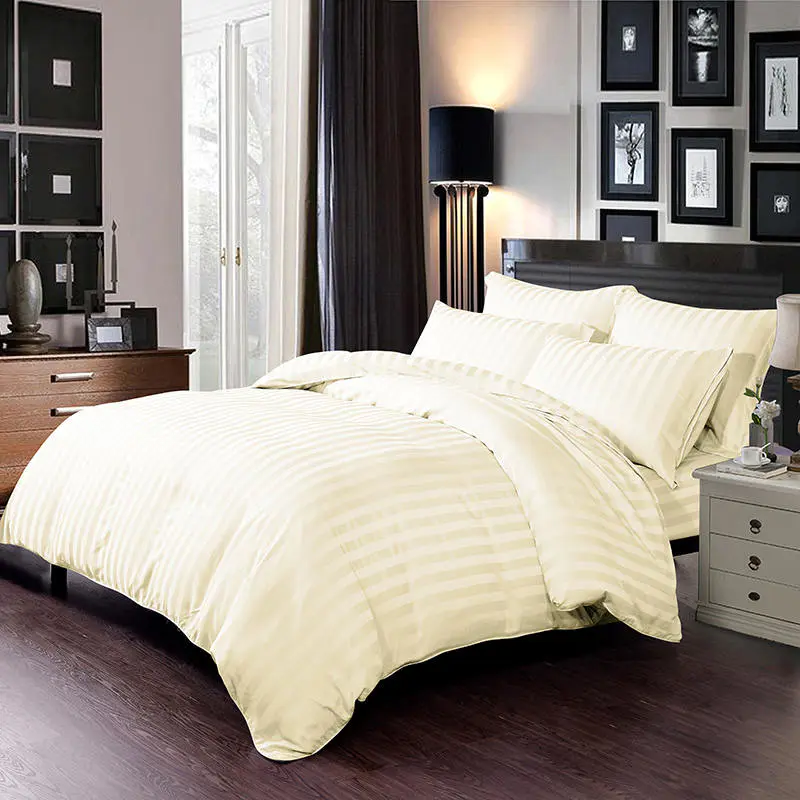
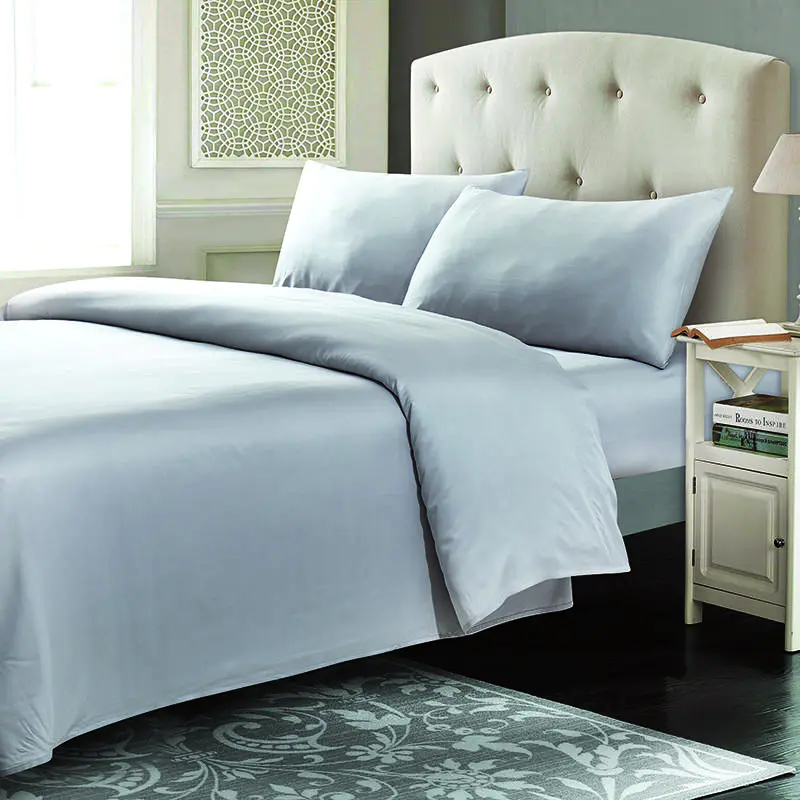
 Hotel-Grade Duvet and Pillow Bedding SetThis hotel selection duvet and pillow set is made with hypoallergenic fill and precise stitching for even warmth. It suits hospitality buyers seeking durable bedding that withstands frequent laundering while keeping guest comfort.View Product →
Living-room protection for busy homes
Sofa covers are one of the fastest-growing home textile products because they protect furniture from pets and daily wear. A good sofa cover should fit without constant adjustment, stay in place through a busy evening, and be removable for laundering. Non-slip backing and pet-friendly construction turn a decorative cover into a practical utility item.
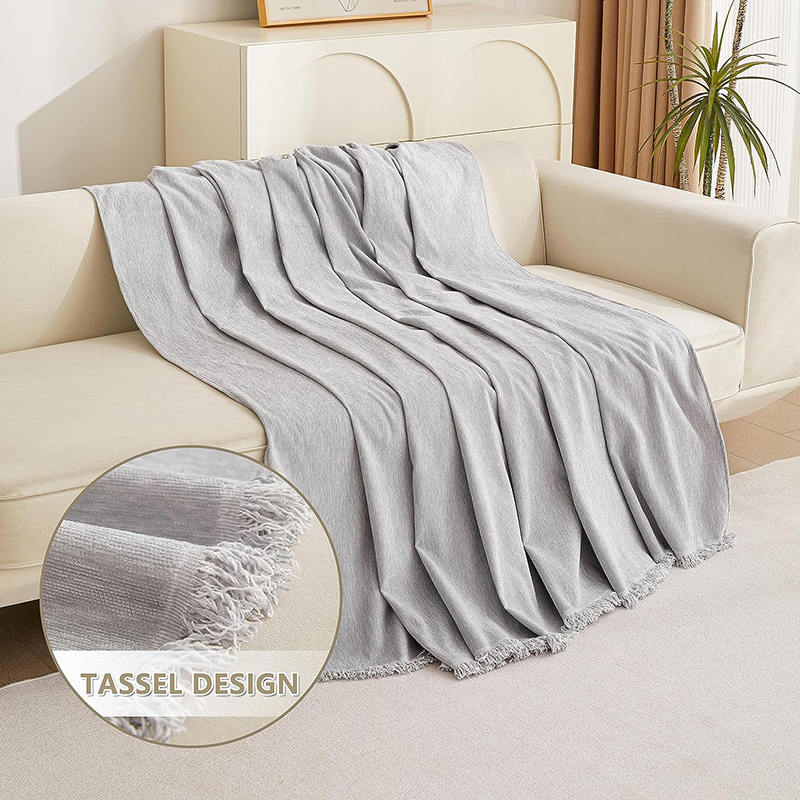 Pet-Friendly Oversized Patterned Sofa CoverThis oversized slipcover uses pet-friendly polyester fabric that resists scratches, fur, and accidents. It offers a relaxed fit to protect the entire sofa, making it a practical choice for households with pets.View Product →
Seasonal layering also influences purchasing. A hotel in a cold region may need quilted blankets, while a summer resort may choose lightweight bamboo sheets. Build a matrix of product type, material, and season, then ask suppliers to submit samples against that matrix.
Making the Final Call
A reliable home textile product decision is built from measurable data: fabric weight, thread count, shrinkage test results, stitch density, and the manufacturer’s history of delivering consistent batches. If a supplier cannot give you those numbers, treat the initial sample as preliminary until it is proven.
Use the structure in this guide as a brief. Choose categories that align with your sales channel, pick materials that match your climate and care expectations, and verify quality with wash tests and documentation. That process will save you more money than chasing the lowest unit price.