EN
 English
 русский
 Español
 عربى
Home furnishing fabrics are where sourcing projects either find their margin or lose it. A beautiful color that fails after ten washes, an upholstery fabric that pills in the first month, or a bedding weave that feels rougher than the sample—these are the failures that start at the specification stage. The solution is to choose fabric based on end-use performance, fiber characteristics, and realistic care expectations rather than on appearance alone.
The manufacturers that consistently deliver good home furnishing fabrics are the ones that can explain why a fabric will behave a certain way in production, in the home, and after repeated laundering. That expertise matters more than any single fiber name or thread count. In this guide, we focus on the decisions that affect performance, cost, and customer satisfaction.
Match the Fabric to the End Use First
The phrase “home furnishing fabrics” covers everything from crisp cotton sheets to heavy curtain headers and pet-friendly sofa covers. These products have very different mechanical and cleaning demands. Before evaluating fibers, define the application and the likely use pattern. A lightweight fabric that works for a summer curtain may not survive a season on a family sofa.
The table below summarizes the primary requirements that should drive fabric selection.
| Application | Primary requirement | What to verify |
|---|---|---|
| Bedding | Breathability, softness, moisture management | Fabric weight, weave, fiber type |
| Curtains | Drapability, dimensional stability, lightfastness | Fabric stiffness, weave density, dye fastness |
| Upholstery | Abrasion resistance, pilling resistance, seam slippage | Martindale rubs, pilling rating |
Once the end use is clear, evaluate the construction. Woven fabrics generally offer better dimensional stability for curtains, while some knit constructions provide stretch for fitted covers. The end use should determine not only the fiber but also the weave, weight, and finish.
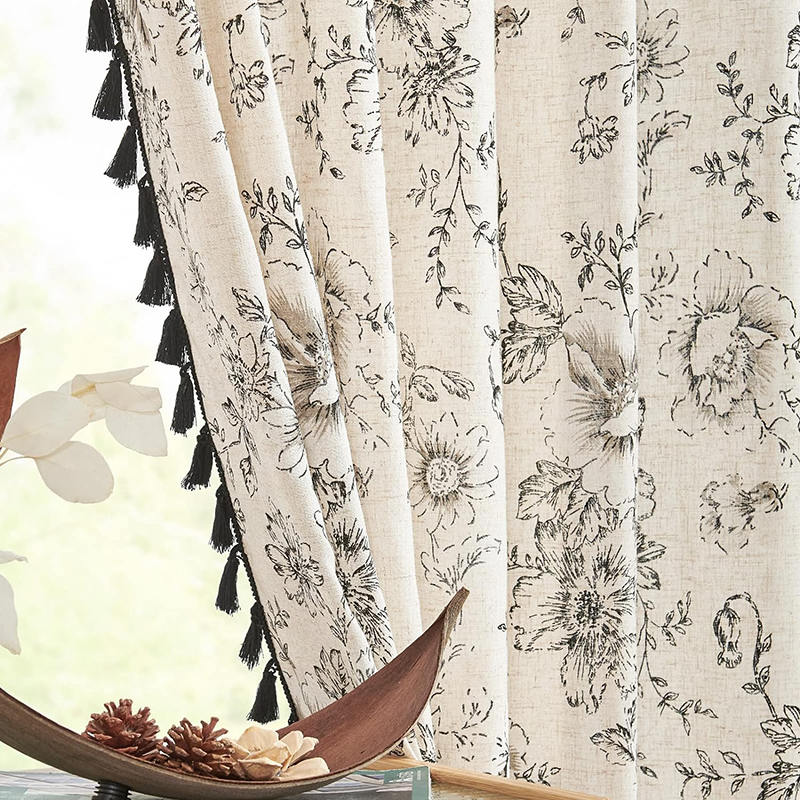 Printed Damask Hem Curtains with Fringed FinishThese curtains combine a printed damask hem with fringe, offering a woven construction that suits traditional or contemporary interiors. The fabric construction and finish are worth examining for stability and visual appeal.View Product →
Weave, Weight, and Finish: What You Are Actually Paying For
Many buyers assume that “fabric quality” equals “thread count.” For home furnishing fabrics, thread count is only one part of the story. The yarn quality, weave structure, and finishing treatments determine how the fabric wears and feels. A 400-thread-count fabric made from fine combed yarn can outperform a 600-thread-count fabric made from lower-grade staple fiber.
Construction terms appear constantly in specifications: sateen, twill, plain weave, dobby, jacquard. Each has a distinct hand feel and durability profile. Sateen is smooth and drapes well, which is why it works for bedding and curtains. Twill is dense and abrasion-resistant, making it a better choice for upholstery and sofa covers. Jacquard adds pattern without printing, but it may have a heavier weight and a different maintenance profile.
Finishes change the surface behavior as well. Brushed finishes add softness to flannel and microfiber; stone washing softens linen and gives it a textured, casual look; water-repellent finishes can make outdoor furnishings easier to clean. The same base fabric can end up as very different products depending on post-treatment. When you are evaluating a supplier, ask how finishes are controlled and tested.
For upholstery textiles, the choice between chenille and velvet is a good example of why construction matters more than fiber name. We discuss the key differences and their performance trade-offs in our analysis of velvet upholstery fabric.
Fiber Properties: A Practical Comparison
After the end use and construction, the fiber determines how the fabric feels, breathes, and launders. Here is a practical comparison of the fibers most commonly used in home furnishing fabrics.
| Fiber | Breathability | Durability | Care | Best suited for |
|---|---|---|---|---|
| Cotton | High | Good | Easy | Bedding, tablecloths |
| Linen | High | Good to fair | Gentle wash or dry clean | Curtains, bedding, upholstery |
| Lyocell | High | Good | Easy but may wrinkle | Bedding, curtains |
| Bamboo (viscose) | High | Good | Easy | Bedding, lightweight blankets |
| Microfiber (polyester) | Moderate | Good to excellent | Very easy | Sofa covers, multi-purpose textiles |
| Mulberry silk | Moderate | Fair to good | Delicate | Luxury bedding and curtains |
Fiber choice is rarely simply “natural good, synthetic bad.” Microfiber can outperform cotton in stain resistance and color retention, while linen offers an unmatched relaxed texture that changes with every wash. The key is to match the fiber to the intended customer and cleaning routine.
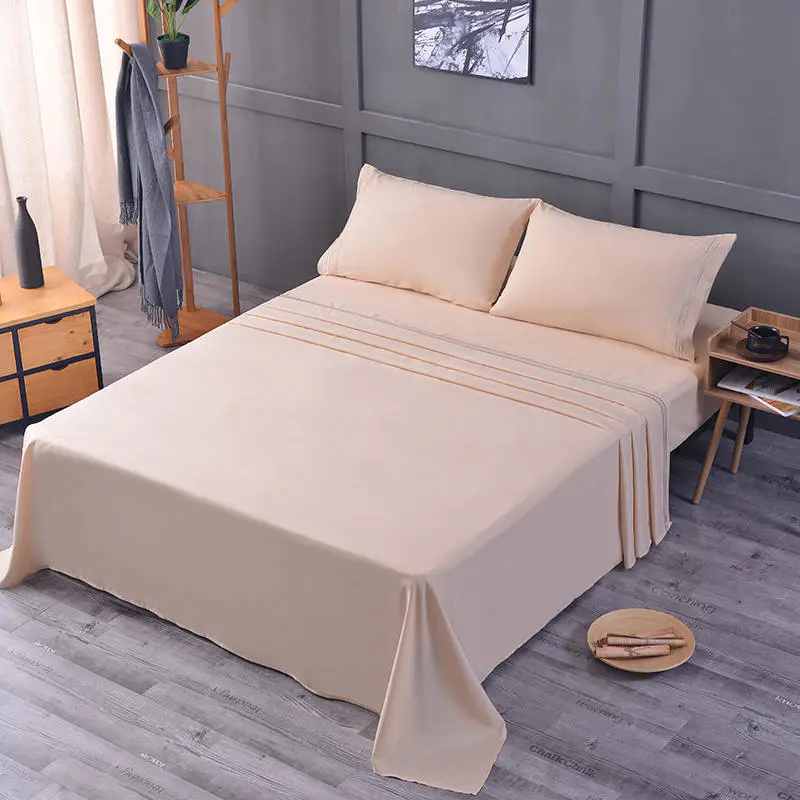
Bamboo-derived fabrics, for example, have become common in bedding because they combine a silky hand with high breathability. They are also frequently positioned as lower-impact materials when produced with closed-loop processing. The result is a fabric that feels cool in summer and remains comfortable through the year.
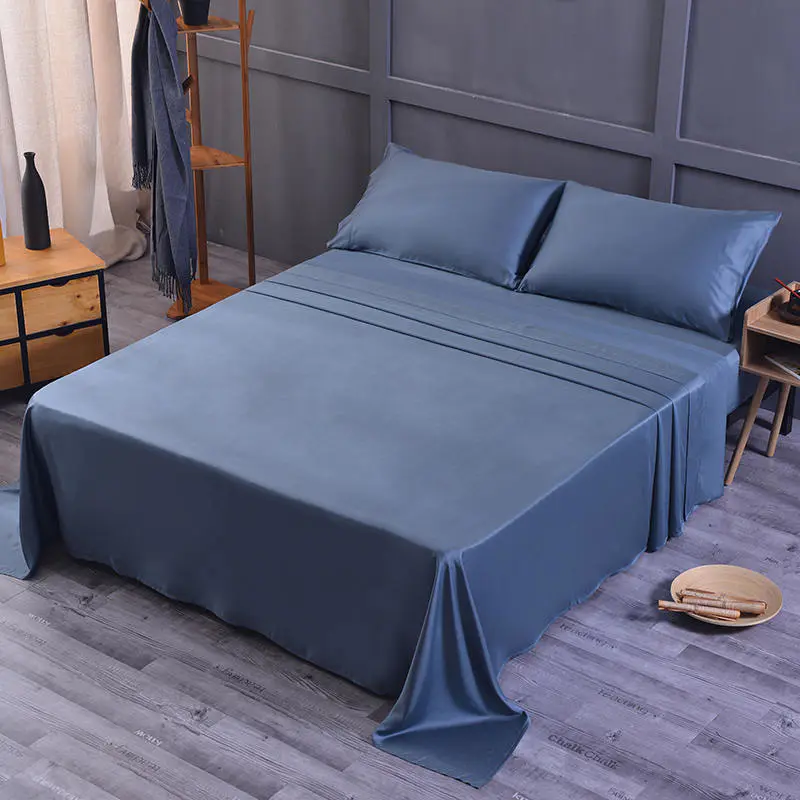
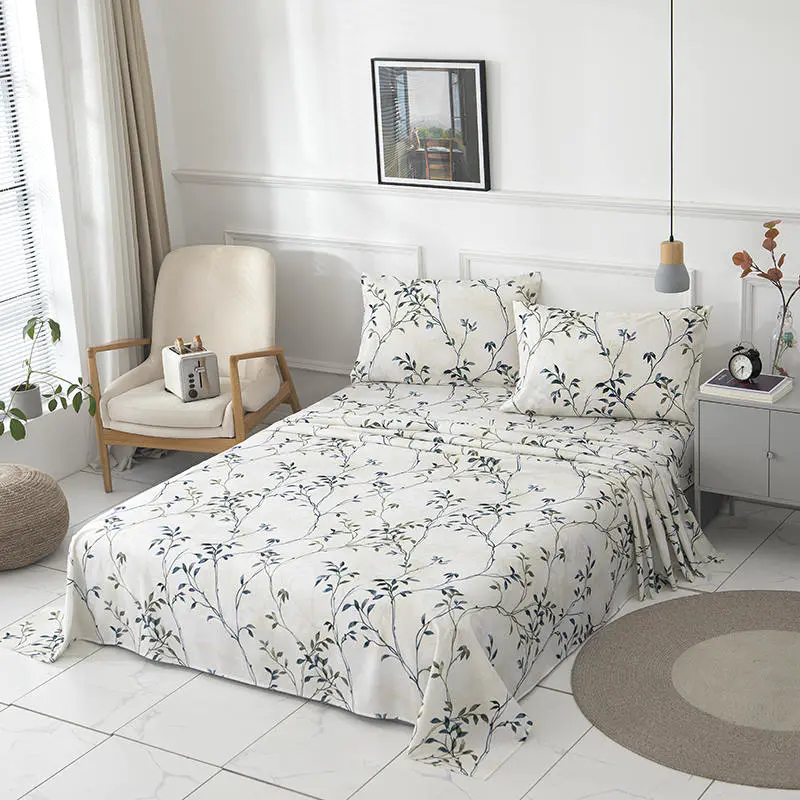
 Breathable Bamboo Bed Sheet Set of FourMade from pure natural bamboo fibers, this four-piece set regulates temperature and wicks moisture for year-round comfort. Its silky hand and breathability make it a strong choice for bedding fabric evaluation.View Product →
Quality, Compliance, and Certification Checks
Fabric quality in a sample is easy to verify; fabric quality in production is not. The most important checks are shrinkage, colorfastness, pilling resistance, and seam strength. These will tell you whether a home furnishing fabric will hold up after the first few laundry cycles or a year of daily use.
Ask for documented test results on the specific grade of fabric, not just on the general collection. A supplier’s certification, such as ISO 9001:2015 for quality management or ISO 14001 for environmental management, can provide a baseline, but it should not replace testing on the actual product.
It is also worth discussing how the fabric will be inspected during production. At our factory, we work with buyers to agree on acceptable tolerances for shade, shrinkage, and construction before bulk production starts. If you need help defining your fabric requirements, our service team can review the options with you.
Working With a Manufacturer to Turn Fabric into a Product
The best home furnishing fabrics are not selected in isolation. They are developed together with the product design, cutting, sewing, and packing. As a manufacturer, we see fabric choices that look good on a swatch but fail in production because of poor cutting behavior, mismatched seam thread, or weak yardage yield. These practical realities are why OEM and ODM relationships matter.
A factory that controls its own fabric sourcing and finishing can move faster and solve problems earlier. For example, a linen bedding program may require a specific stone-washed finish to achieve the desired softness and wrinkle pattern. If the fabric is sourced from a mill that does not communicate well with the sewing factory, the finished product may vary from order to order.
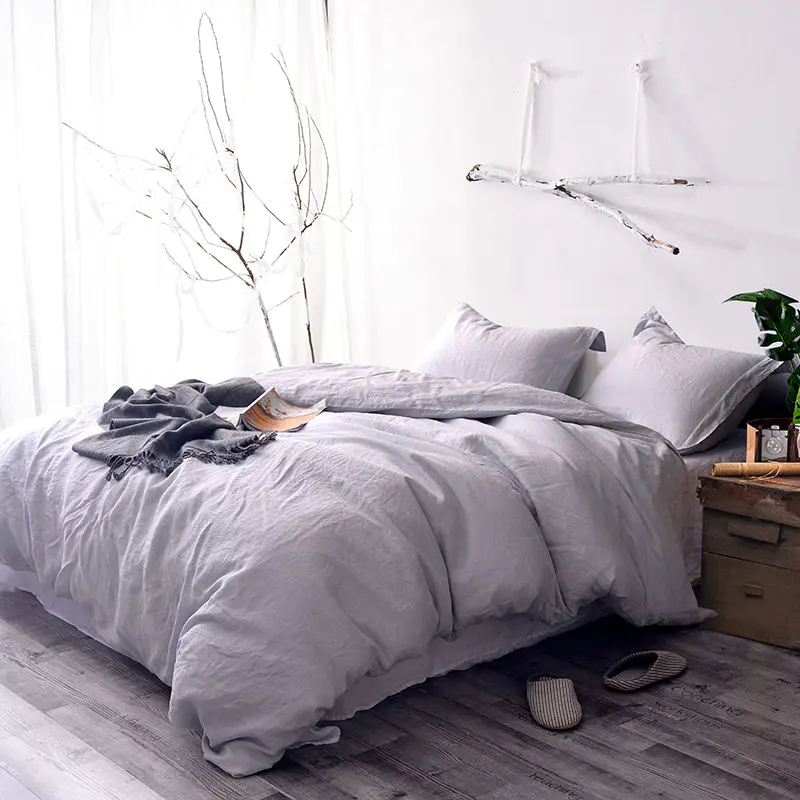
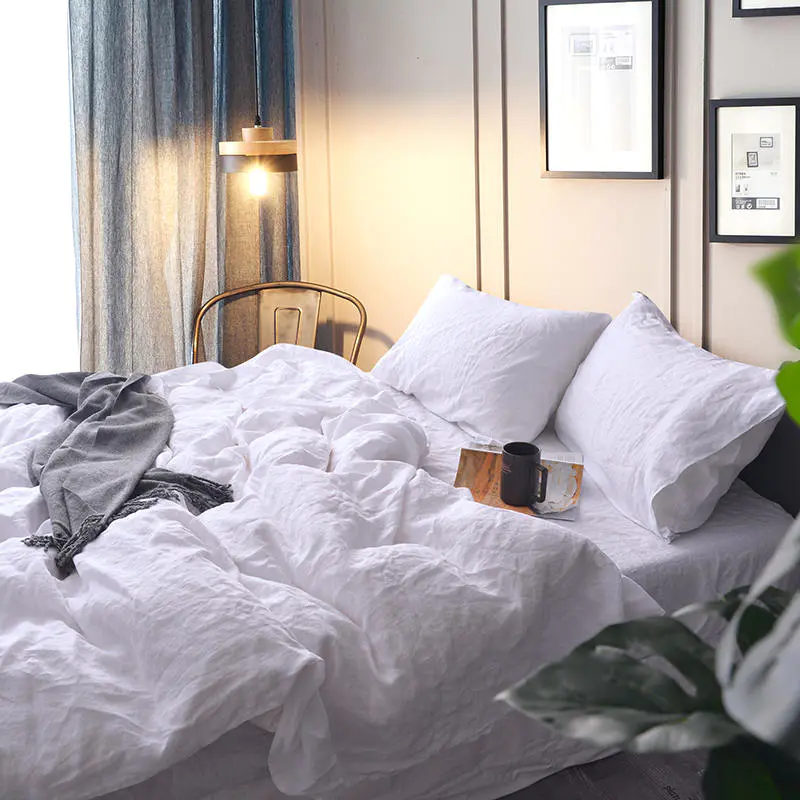
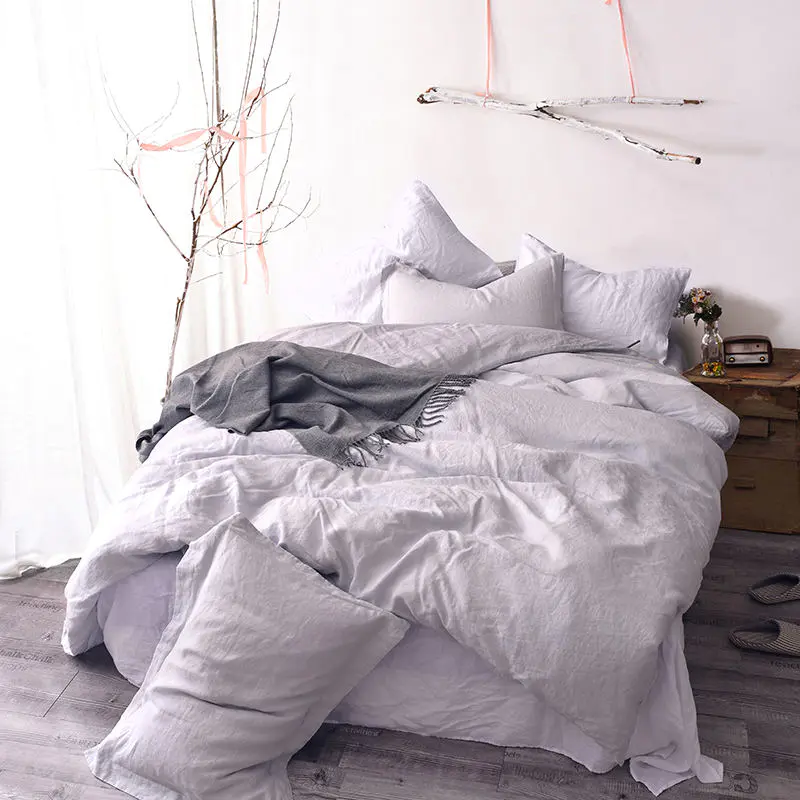
For linen bedding, the finishing process is as important as the fiber. Stone-washed linen is typically more absorbent and less stiff than untreated linen, which improves comfort from the first night.
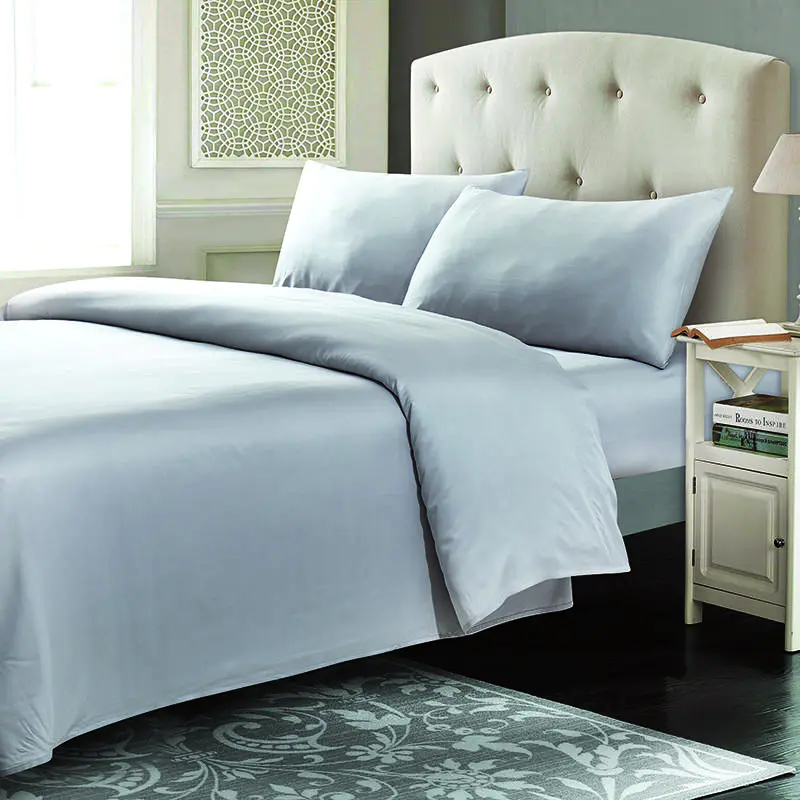
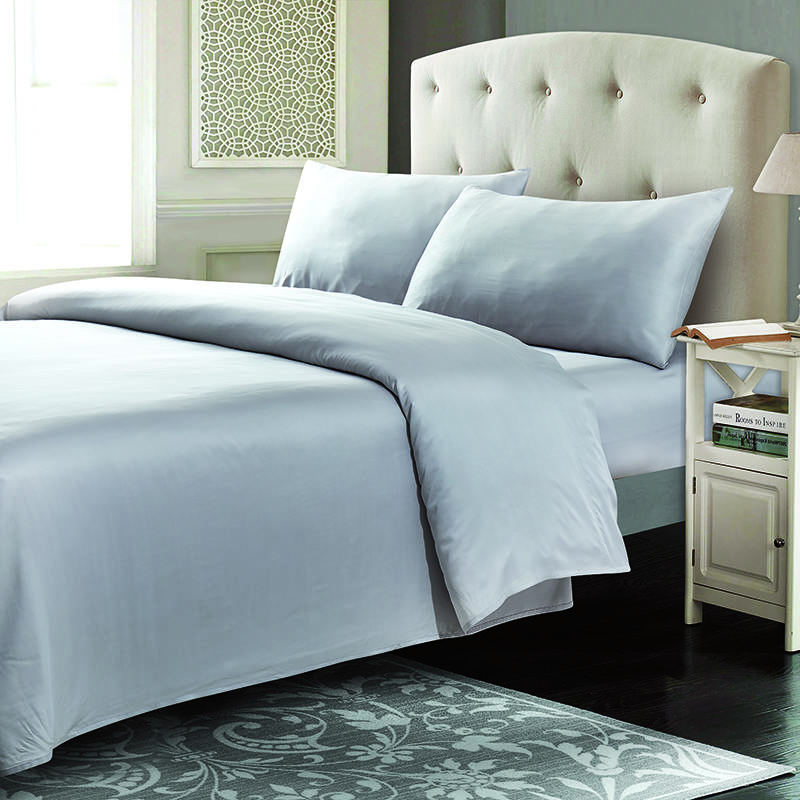
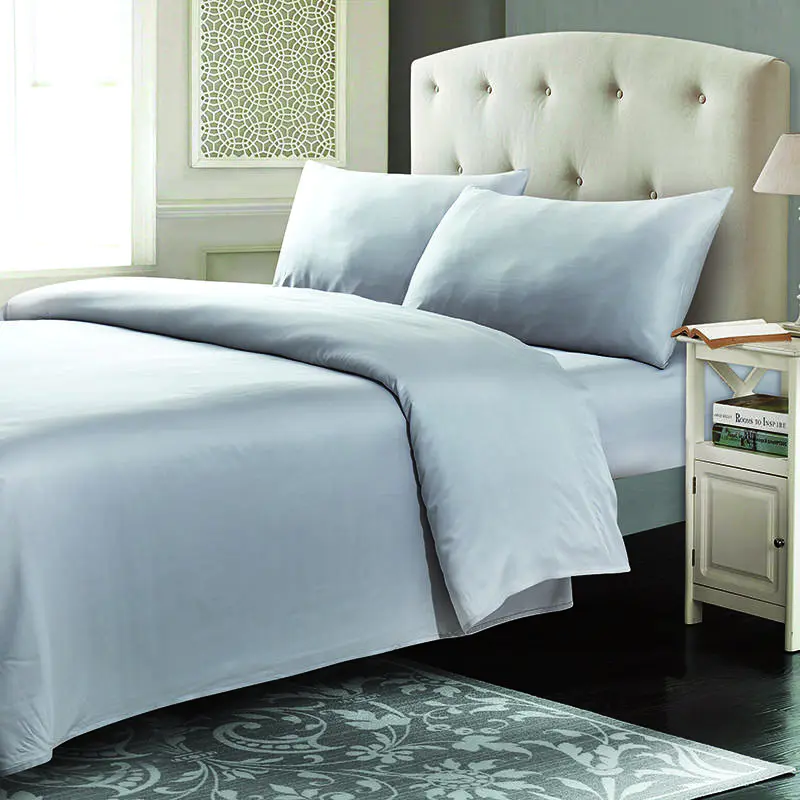
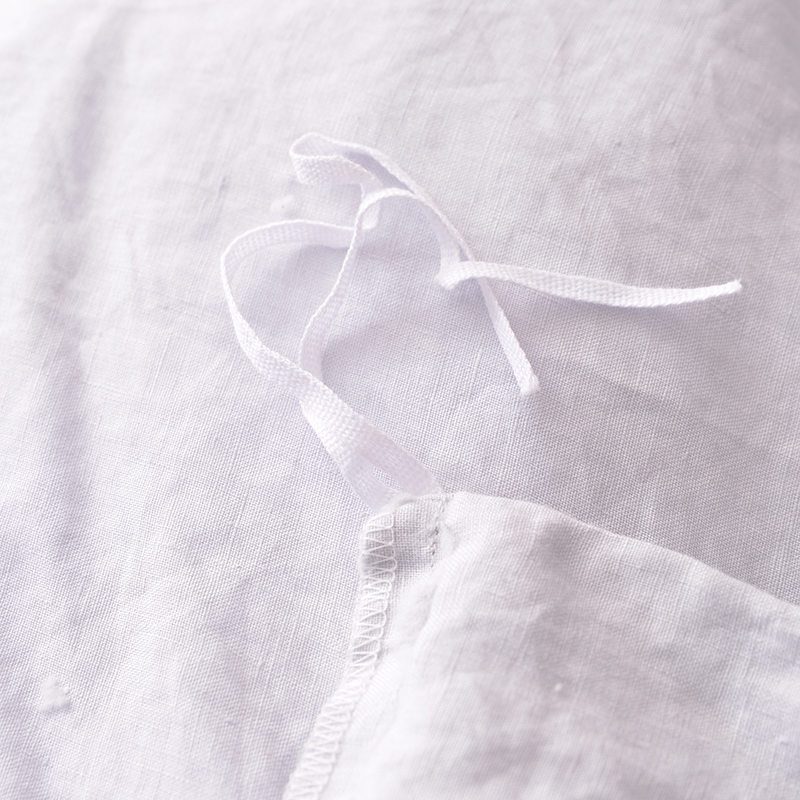 Moisture-Absorbing Anti-Wrinkle Linen Sheet SetThis linen sheet set quickly absorbs moisture and resists wrinkles, making it easier to care for while improving sleep comfort. Its finishing treatment is key to the softness and durability you should assess.View Product →
What to Ask Before Placing an Order
Ultimately, fabric selection should be a partnership. The supplier should be able to explain why a certain fabric is appropriate for your price point, market, and use case. They should also flag risk: does the dye lot have limited availability? Will a finish affect the hand feel? What is the minimum order quantity for a custom fabric?
- Can I see production fabric samples, not just strike-offs?
- What are the standard acceptance tolerances for shrinkage and color?
- Will you hold selected fabric inventory for repeat orders?
- How are ODM designs protected during development and production?
Home furnishing fabrics are a balance of measurable properties and subjective hand feel. The fastest way to reduce returns and build a repeatable product line is to agree on the end use, verify the construction, compare fiber behavior, test the finished fabric, and work with a manufacturer who can explain the trade-offs. Start with those five points, and you will have a fabric program that performs as well in the warehouse as it does in the showroom.