EN
 English
 русский
 Español
 عربى
You have scrolled through enough bamboo duvet cover listings to know that price tags vary wildly, yet the product photos all look similar. The real difference is not the label; it is the density of the fabric, the type of weave, and the way the cover is sewn. A bamboo duvet cover can genuinely sleep cooler than cotton if the fibre is processed into a stable, breathable weave. Get the construction right, and you will not need to replace it after a few washes.
As a textile manufacturer that started making bedding in 1997, we have tested bamboo, cotton, Tencel, and linen duvet covers in production. This guide explains which bamboo duvet cover features matter, how to judge quality before you buy, and how to care for it once it is on your bed.
What Makes Bamboo Duvet Covers Different from Cotton or Microfiber
Bamboo duvet covers are usually made from bamboo pulp that is regenerated into a cellulose fibre, often sold as bamboo viscose or bamboo lyocell. The resulting yarn has a porous cross-section, which helps wick moisture away from skin and makes the fabric feel more breathable than ordinary polyester microfiber. For sleepers who wake up sweaty, this construction reduces the sticky feeling caused by trapped humidity.
| Material | Breathability | Softness | Durability | Care |
|---|---|---|---|---|
| Bamboo viscose | High, moisture-wicking | Very soft, slightly silky after washing | Moderate, avoid over-drying | Cold water, gentle cycle |
| Cotton | Moderate to high | Crisp to soft depending on weave | High, improves with use | Machine wash normal |
| Microfiber | Moderate, can trap heat | Plush but less air permeable | High, wrinkle-resistant | Easy care, low heat dry |
If you sleep hot, bamboo usually feels more airy than microfiber because the fibre structure moves moisture along the yarn. If you prefer a crisp hotel feel, cotton percale is the safer bet. Bamboo duvet covers win when you want softness, moisture management, and a smooth surface against your skin.
What to Check Before You Buy
Many consumer complaints about bamboo bedding come from a mismatch between the description and the actual fabric weight. A good duvet cover should have enough substance to sit smoothly over an insert without flapping, but not so much that it becomes heavy and hot. Here is the short checklist we use in our own factory:
- Fiber composition: look for 100% bamboo viscose or bamboo lyocell. A bamboo blend that contains polyester can reduce breathability.
- Weave style: sateen feels silky and lustrous, percale feels cool and crisp, and a tighter twill can be durable but less airy.
- Fabric weight: a 120–150 GSM cover suits summer use; a 150–200 GSM cover gives a fuller drape for moderate climates.
- Closure type: a hidden zipper lies flat and is quicker to remove; a button placket is easier to repair and lets the cover breathe around the buttons.
- Edge finish: French seams or piped edges stop the cover from fraying after repeated washes.
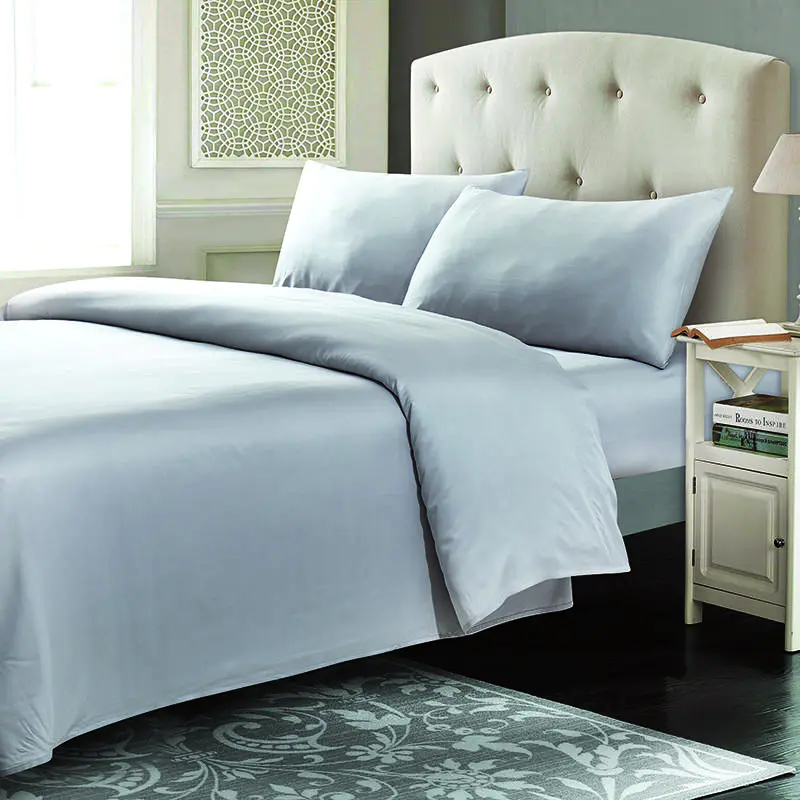
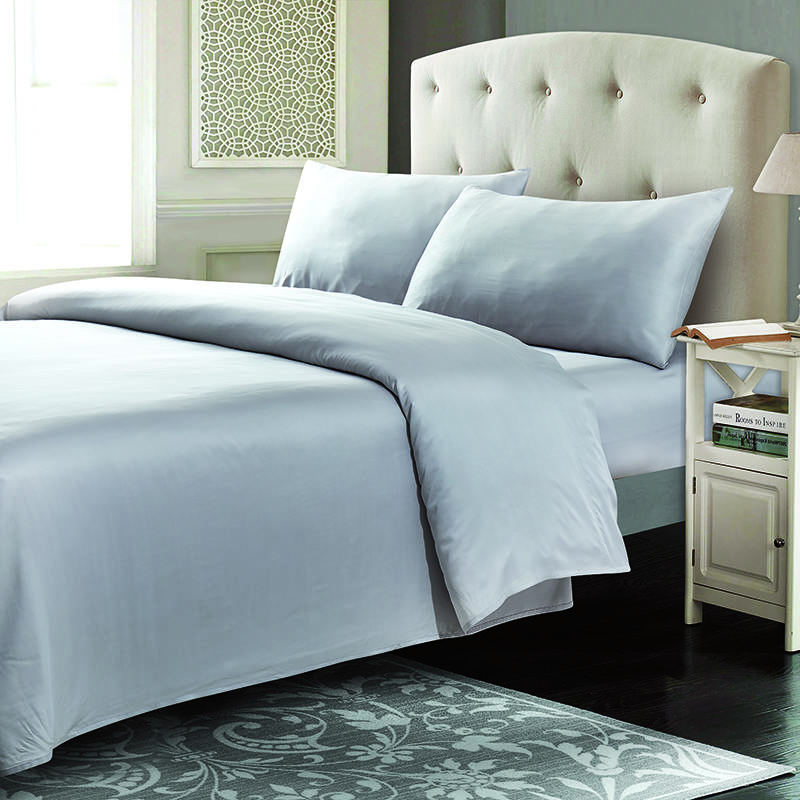
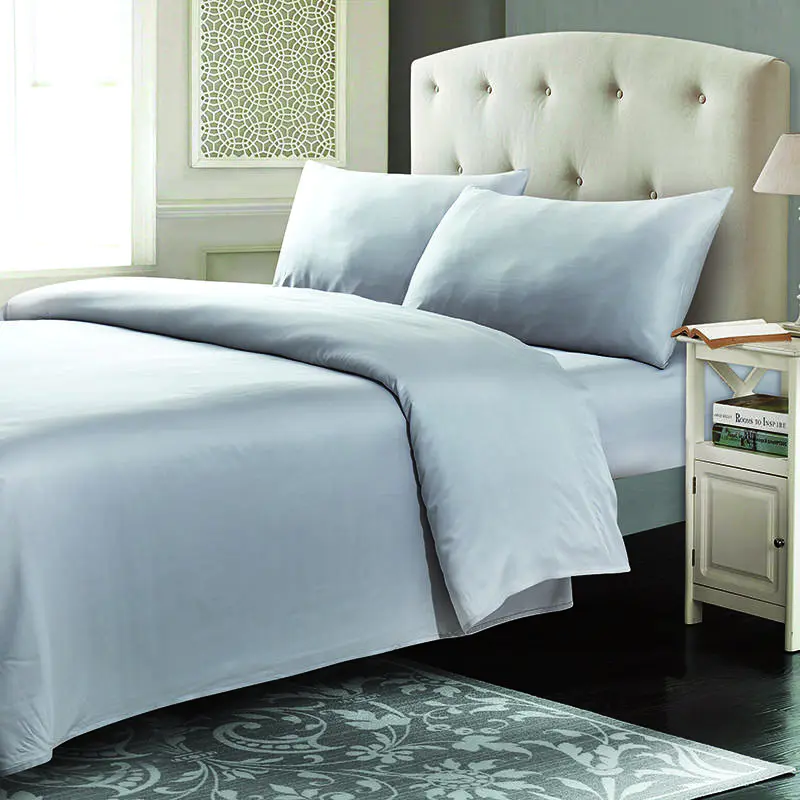
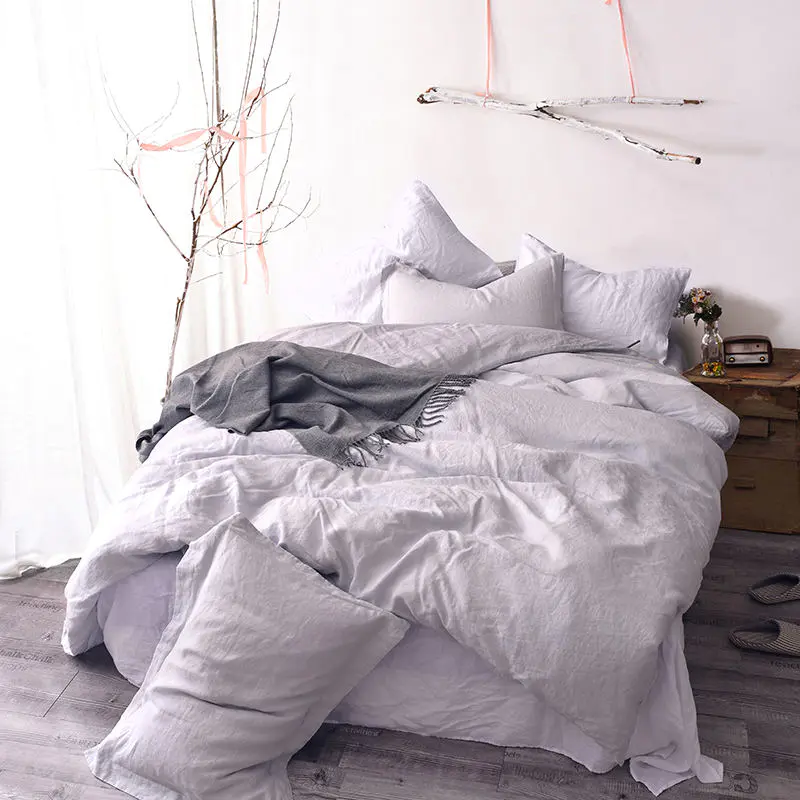
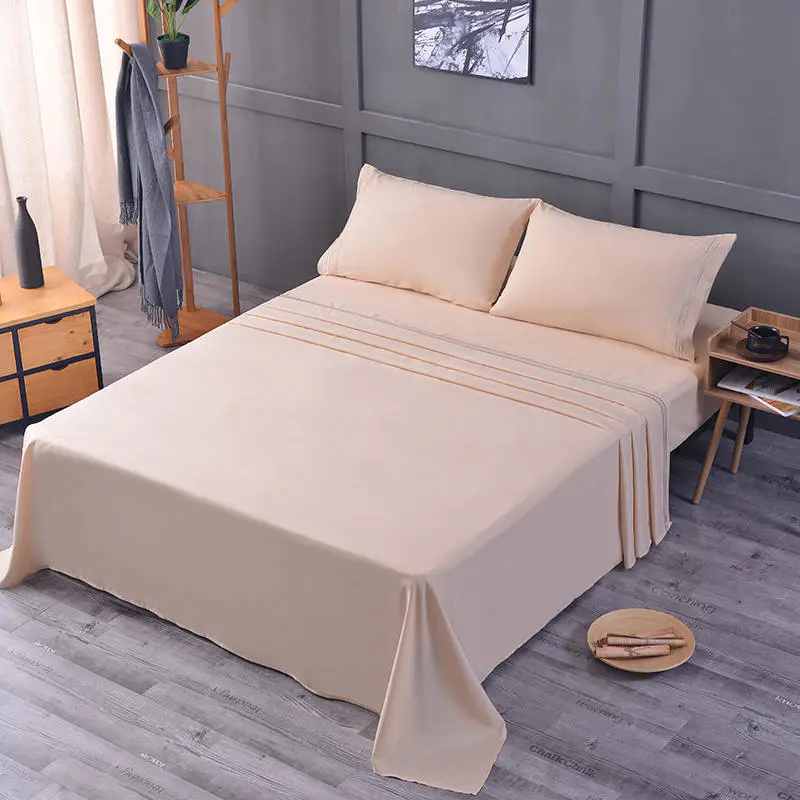
One example that meets these requirements is our natural fiber hypoallergenic bamboo quilt cover. It uses a sateen weave, a smooth zipped closure, and a dense enough fabric to cover a duvet without looking wrinkled.
 Wholesale Natural Fiber Hypoallergenic Bamboo Quilt Cover Suppliers, Factory - NNantong Xinsheng Textile Garment Co.,Ltd is China wholesale Natural Fiber Hypoallergenic Bamboo Quilt Cover suppliers and factory,Natural...View Product →
How a Bamboo Duvet Cover Performs Across Seasons
In summer, the micro-channels in bamboo fibre absorb humidity and allow airflow, so the cover stays cool to the touch even when you are trying to fall asleep after a warm day. In winter, the cover itself does not add insulation; it works as a removable layer over a duvet insert. This split is why we recommend matching the GSM to your climate: a lighter 130 GSM cover for hot nights, and a denser 180 GSM cover if the same bed will be used with a thicker insert in autumn.
Bamboo duvet covers are also convenient for seasonal rotation. The fabric washes well, and the cover can be stored flat without taking much space. Our guide on when to rotate duvet covers seasonally explains how to keep the fabric fresh between changes.
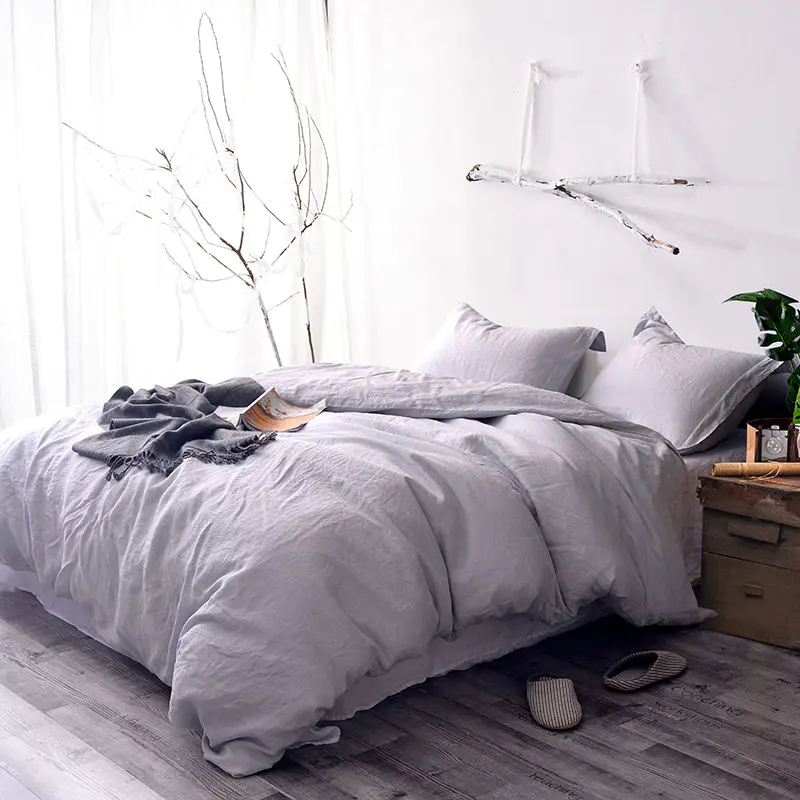
For sleepers who want a silkier contact layer, the silky bamboo blend duvet cover uses a finer spun yarn and a smoother face. It still breathes like bamboo, but the denser weave gives it a softer hand-feel that works well in air-conditioned bedrooms.
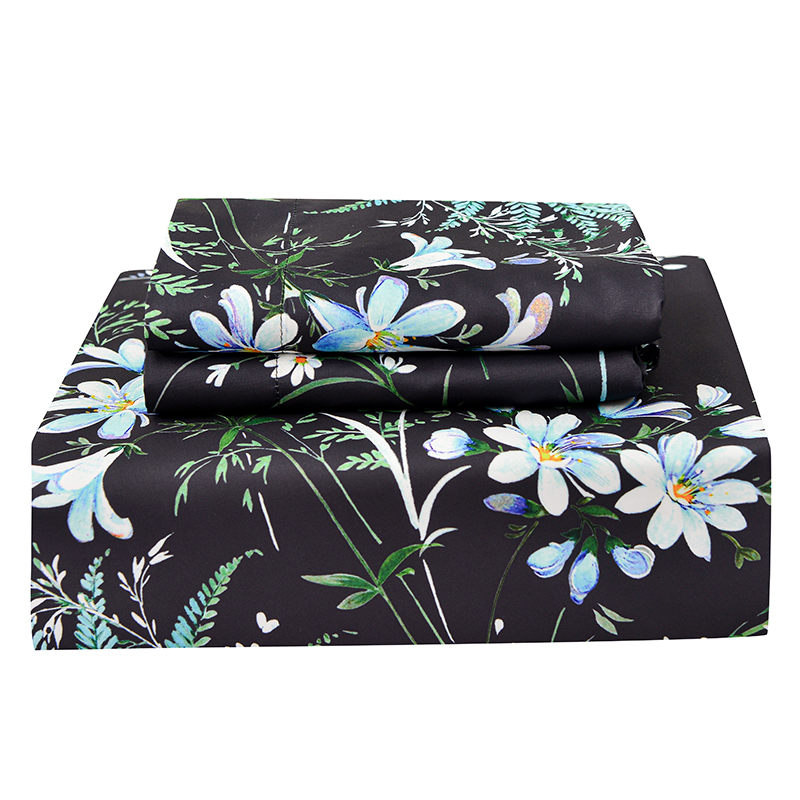 Wholesale Soft Silky Bamboo Blend Duvet Cover Queen/King Suppliers, Factory - NaNantong Xinsheng Textile Garment Co.,Ltd is China wholesale Soft Silky Bamboo Blend Duvet Cover Queen/King suppliers and factory,Carefull...View Product →
Care Tips That Keep Bamboo Duvet Covers Soft
The most common reason bamboo duvet covers become rough is washing in hot water or drying with high heat. Bamboo viscose is durable, but it shrinks and pills when exposed to temperatures above 30°C. Use a gentle program with cold or lukewarm water, skip fabric softener, and never use chlorine bleach. Tumble dry on low heat and take the cover out while it is still slightly damp. If you prefer to line-dry, smooth the seams before hanging to avoid hard creases.
- Wash inside out with a gentle detergent.
- Do not overload the washing machine; the fabric needs room to move.
- Iron with low heat if needed, preferably on the reverse side.
These steps help the zipper, buttons, and stitching stay intact, so the cover keeps its shape as long as the duvet insert inside it.
Why Buying from a Manufacturer Can Change Your Expectations
Retailers describe fabric with attractive adjectives, but a manufacturer can tell you exactly how the bamboo yarn was spun, woven, and finished. In our own production, we control the full process: weaving, cutting, sewing, and final inspection. Our factory in Nantong holds ISO 9001:2015 quality management certification and ISO 14001 environmental management certification, so quality checks are part of the workflow rather than an afterthought.
Because we are also an OEM and ODM supplier, we can adjust the weight, seam styling, closure type, and packaging to fit a hotel project or a branded retail line. If you need a specific dimension or a private label, that flexibility matters. Our custom textile services cover everything from material selection to final packing, and the factory sits roughly two hours from Shanghai Port, which keeps export shipping straightforward for customers in the US, Europe, and Australia.
The Bottom Line
A bamboo duvet cover is a worthwhile bedding upgrade when you prioritize breathability and a soft surface. Focus on fibre content, weave density, GSM, and closure quality, and you will avoid the most common complaints about bamboo bedding. If you are ordering in quantity, ask for a swatch and a wash test report; a reliable manufacturer will provide both.